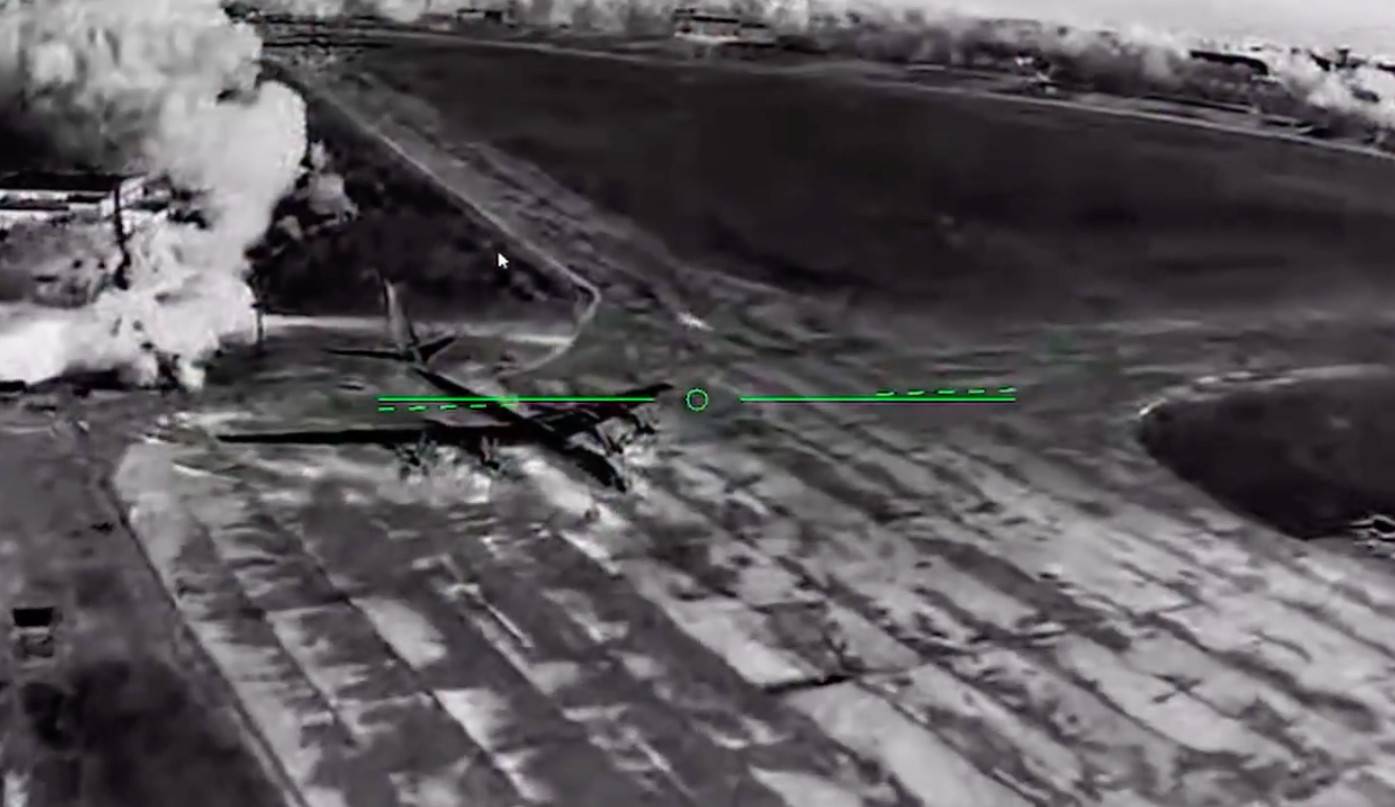
Ukraine’s Unmanned Systems Forces said it destroyed an Iskander missile system and two Tu-142 aircraft at the Taganrog military airfield in Russia on the night of May 30. The same drone wave also triggered fires at Taganrog’s commercial harbor and an oil depot in Armavir, including damage to fuel storage and port infrastructure. The strikes represent a meaningful setback for Russian military aviation and a broader escalation in regional infrastructure and energy-related disruption.
This is less about a single battlefield loss and more about a forced reallocation of Russian defensive bandwidth. By making Russia defend fuel infrastructure, ports, and airfields simultaneously, Ukraine is increasing the marginal effectiveness of each additional drone wave; that raises the probability of follow-on attritional damage over the next several weeks, not just at the targeted site. The second-order effect is a wider Russian air-defense coverage gap along the southern corridor, which increases operational risk for maritime logistics, aviation assets, and energy transit nodes. For markets, the direct read-through is an incremental risk premium for Black Sea and southern Russian energy infrastructure rather than a broad energy shock. The biggest near-term impact is on refined-product and bunker-fuel logistics, where localized outages and insurance repricing can tighten regional supply even if crude fundamentals are unchanged. That matters more for freight, port throughput, and regional diesel than for headline Brent, unless attacks persist and force sustained throughput degradation over months. The contrarian point is that investors may overestimate the durability of this damage as a macro driver while underestimating the persistence of the tactical campaign. Russia can harden and disperse assets, but replacement time for high-value military aviation and missile platforms is long, which means the defense burden remains elevated even if repairable fuel assets come back online in days to weeks. The bigger tail risk is escalation into broader infrastructure targeting, which would matter for European gas and shipping sentiment before it shows up in global crude balances. SO is not a direct trade here, but if you want exposure to the risk premium, the cleaner expression is via defense/air-defense beneficiaries rather than energy producers. The setup is asymmetric: downside on a de-escalation headline is modest for defense names, while upside from sustained attack intensity is recurring, especially if this becomes a weekly cadence rather than a one-off event.
AI-powered research, real-time alerts, and portfolio analytics for institutional investors.
Request a DemoOverall Sentiment
strongly negative
Sentiment Score
-0.70
Ticker Sentiment
