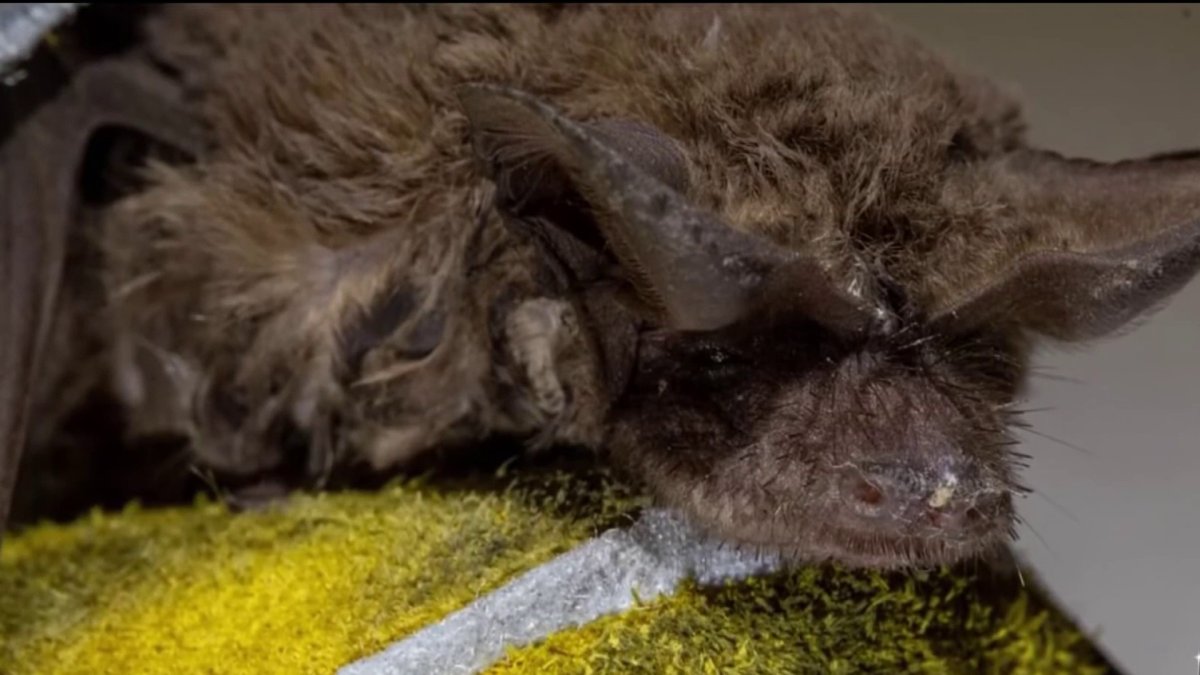
Alameda County health officials reported a Mexican free-tailed bat testing positive for rabies on a Fremont sidewalk in the Warm Springs neighborhood. Authorities said no people or animals are known to have been exposed, but urged residents and pet owners to avoid handling bats and seek immediate treatment if bitten or exposed. The article is public-health focused and is unlikely to have meaningful market impact.
This is not a direct market event, but it is a useful read-through on the growing gap between public-health noise and actual economic damage. Rabies scares are high-salience, low-incidence events: they generate local attention, modest municipal response spend, and very little sustained consumer behavior change unless there is a confirmed human exposure. The immediate beneficiary set is narrow and mostly second-order: county vector-control vendors, veterinary clinics, pet vaccine distributors, and perhaps low-end PPE suppliers see small, transient demand bumps. The bigger tradable implication is on the healthcare-information/alerting stack rather than biotech itself. Local health departments tend to ramp outreach, posting, and animal-control coordination after these events, which creates tiny but recurring budget pressure for public-sector contractors and communications vendors; however, it is too episodic to justify a durable long-only thesis. The more meaningful risk is reputational rather than financial: if a cluster of animal-to-human exposure headlines emerges, parks/recreation usage, outdoor pet services, and local tourism could see short-lived friction, but only in the same geographies and usually for days to weeks. Consensus likely overweights the headline and underweights the absence of transmission. With no known exposure and rabies being a post-exposure-treatment problem, not a community outbreak, this is more about precautionary behavior than asset impairment. The contrarian view is that these events are actually mildly supportive of pet-health and animal-vaccine demand over time, but the effect is too small and too irregular to express cleanly without broad underwriting exposure to animal health.
AI-powered research, real-time alerts, and portfolio analytics for institutional investors.
Request a DemoOverall Sentiment
neutral
Sentiment Score
-0.10
