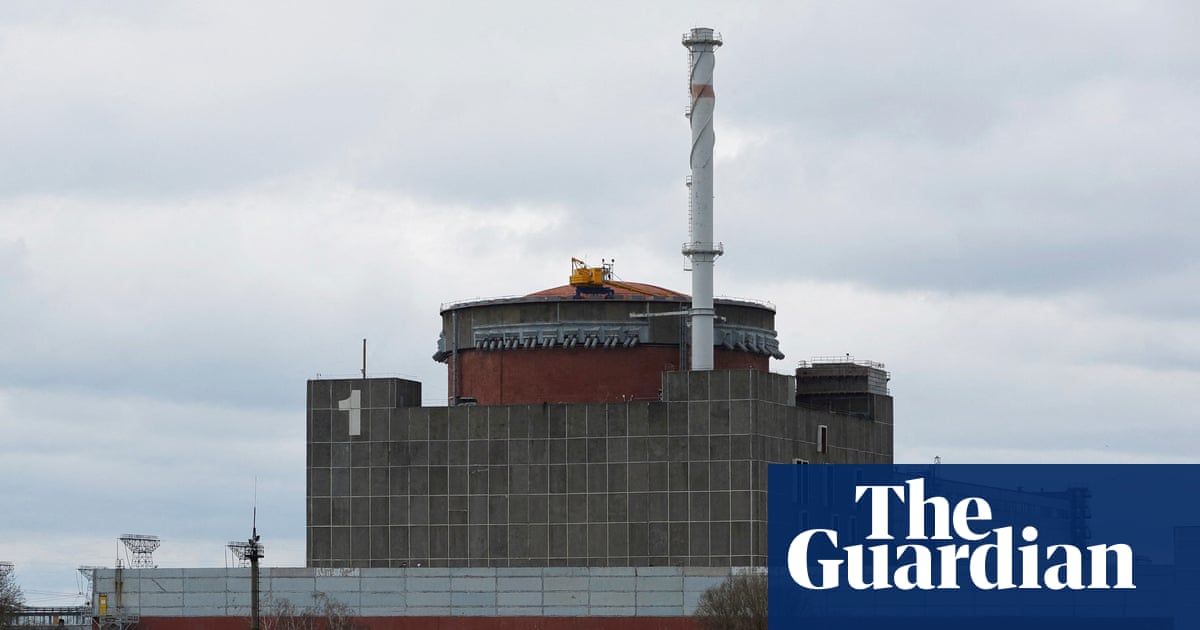
A Ukrainian drone struck the turbine hall at the Russian-controlled Zaporizhzhia nuclear plant, leaving a hole in the wall but reportedly causing no damage to key equipment. The IAEA said it was informed of the incident and requested access, while Rosatom called it deliberate and Kyiv denied targeting the facility. The article also reports fresh Ukrainian drone attacks on Russian oil infrastructure in Rostov and Krasnodar, underscoring elevated war-related risks to energy assets.
The immediate market implication is not a direct supply shock, but a rising probability distribution for a broader infrastructure-risk premium across European power and refined-product markets. Even without physical damage to reactor systems, repeated proximity strikes create a credibility problem for grid continuity, insurance availability, and emergency preparedness; that tends to widen volatility in nearby power curves and keep diesel/natural-gas backup demand elevated for weeks, not days. Second-order, this is more relevant for transport and logistics than for uranium names. If the conflict keeps migrating toward energy infrastructure, regional shipping routes, rail, and port throughput in the Black Sea basin face a higher disruption probability, which can tighten already-fragile bunker and diesel balances. The oil facility fires reinforce the same theme: the market should expect a larger war-risk premium in Eastern European refined products, with local crack spreads supported even if Brent itself is range-bound. The contrarian miss is that these incidents can also harden policy support for non-Russian energy security investments, which is bullish for grid resilience, backup generation, LNG flexibility, and defense capex over a multi-quarter horizon. However, the near-term tradable reaction is likely to be overshooting in headline-sensitive assets, while the real beneficiaries are the boring enablers of resilience rather than the obvious defense primes. Tail risk is a genuine escalation into a real nuclear safety event, but the base case remains sustained harassment rather than catastrophic damage. That means the best entry points are on volatility spikes and not on clean breakout headlines; the market tends to fade first-pass panic unless there is verified impairment of power output or export logistics.
AI-powered research, real-time alerts, and portfolio analytics for institutional investors.
Request a DemoOverall Sentiment
mildly negative
Sentiment Score
-0.35
