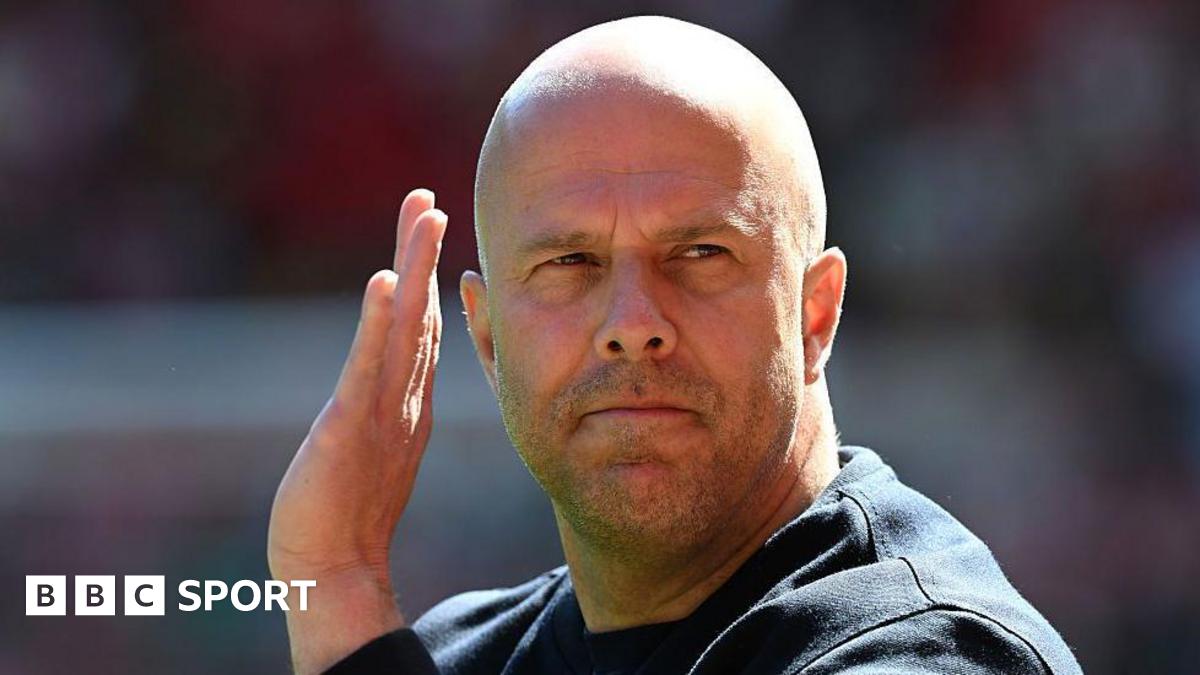
Liverpool have sacked head coach Arne Slot after a season in which the club's league points tally fell from 84 to 60, a 24-point drop, and results deteriorated despite last summer's heavy squad investment. Management concluded the team needed a more aggressive style and has already made contact with Andoni Iraola as a replacement candidate. The move is a significant governance and football-operations shift, but it is unlikely to have a direct market-moving impact beyond the club.
The market-relevant signal is not the coaching change itself, but the implied governance reset: Liverpool are choosing a harder, higher-velocity operating model after a season where process quality and buy-in decayed. That usually precedes a second-wave reshuffle in the squad, which means the immediate beneficiaries are agents, brokers, and selling clubs that can clear premium assets before the new regime fully defines its preferences. The bigger risk is that the club has already accelerated capital deployment on players whose value is highly system-dependent; if the next manager demands a materially different tactical profile, those recent fees become balance-sheet friction rather than edge. The near-term catalyst path is reputational rather than on-pitch. Within days, the question is whether the market reads this as decisive governance or as reactive decision-making after a late-cycle deterioration; in football, that distinction drives fan sentiment, sponsorship optics, and the probability of further executive churn. Over the next 1-2 transfer windows, expect a higher burn rate as the new manager requests profile-specific replacements, which benefits top-tier selling clubs and may create discount pressure on players exiting the current structure. The contrarian view is that the move may be one step too early on the curve: title-winning managers typically get a longer leash, and the underlying roster may have been the bigger issue than the bench. If the club now pivots too aggressively, they risk paying a premium for a reset while also crystallizing value loss on recent imports. The market may be underpricing the possibility that the next appointment restores authority quickly and makes this look like a disciplined correction rather than a panic move.
AI-powered research, real-time alerts, and portfolio analytics for institutional investors.
Request a DemoOverall Sentiment
mildly negative
Sentiment Score
-0.38
