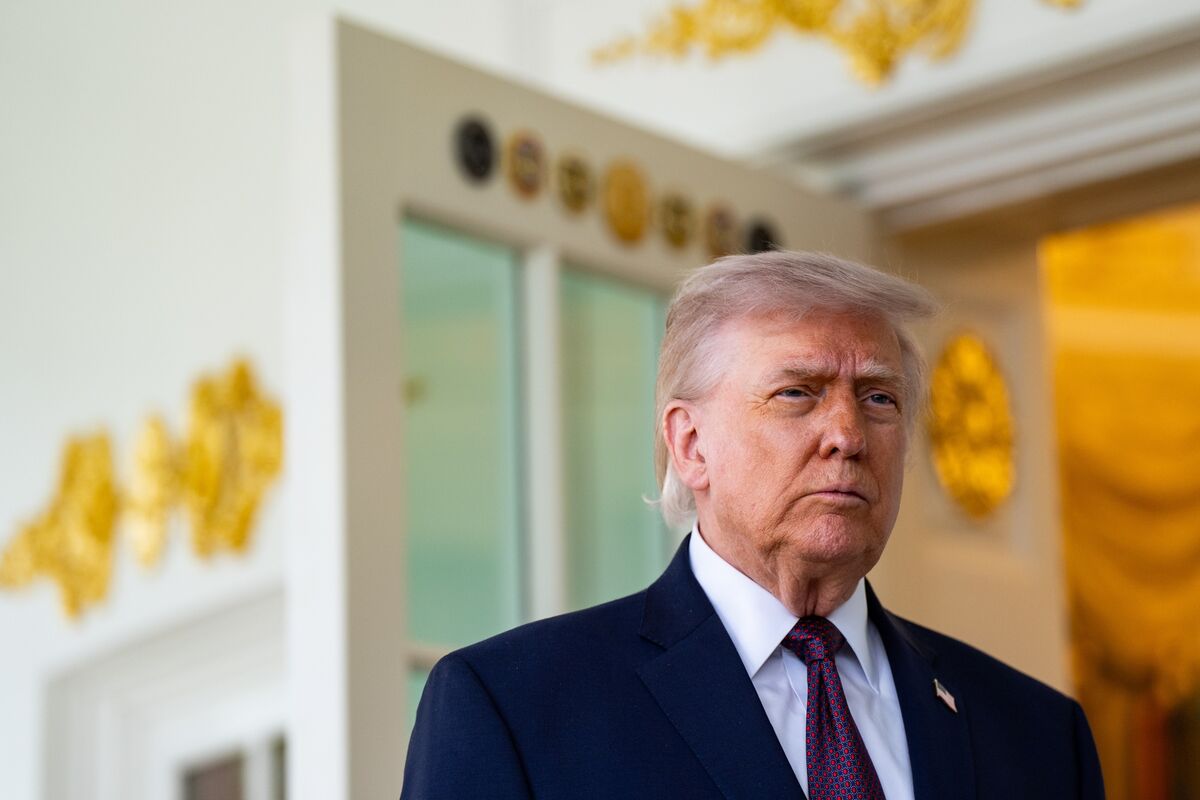
Trump signaled an end to the Iran war may be near, with peace talks possibly restarting within the next two days and the current two-week ceasefire potentially not needing extension. The prospect of de-escalation boosted market optimism and helped stabilize global energy prices. The news is geopolitically significant and likely supportive for risk assets and oil volatility in the near term.
The immediate market reaction is less about the diplomatic headline and more about the collapse in the tail-risk premium embedded across energy and risk assets. A credible de-escalation path should compress implied volatility in crude, weaken the bid for defensive inflation hedges, and relieve pressure on cyclical equities that have been trading with a geopolitical discount. The first-order beneficiaries are not just producers and refiners; the bigger second-order winner is capital allocation breadth, as positioning can rotate back toward rate-sensitive and earnings-sensitive sectors once energy stops acting like a macro tax. The key nuance is timing: this is a days-to-weeks trade unless the talks translate into verifiable enforcement and logistics, not just rhetoric. Markets will likely front-run a ceasefire extension, but the asymmetry sits in the reversal risk — if talks stall, crude can retrace violently because speculative length and CTA trend-following likely chased the relief move. That creates a setup where downside in oil from here may be more incremental, while upside on any bad headline can be abrupt and self-reinforcing. The contrarian view is that the move may be underestimating how fragile the de-escalation is. A pause in fighting does not remove the structural risk premium if shipping lanes, sanctions enforcement, or proxy activity remain unresolved, so a meaningful chunk of the rally could fade once investors realize supply disruption risk is only delayed, not eliminated. In other words, the market is pricing a normalization that may never fully arrive, and that gap is where the best relative-value trades live. For cross-asset portfolios, this is also a positioning event: crowded defensive hedges tied to energy and inflation may get unwound, creating a brief window of forced selling in oil-linked volatility and defensive equities. If the ceasefire narrative holds through the next few sessions, the real trade is not a wholesale bet on peace; it is owning the beneficiaries of lower risk premia while fading the instruments most sensitive to a headline-driven volatility crush.
AI-powered research, real-time alerts, and portfolio analytics for institutional investors.
Request a DemoOverall Sentiment
moderately positive
Sentiment Score
0.55
