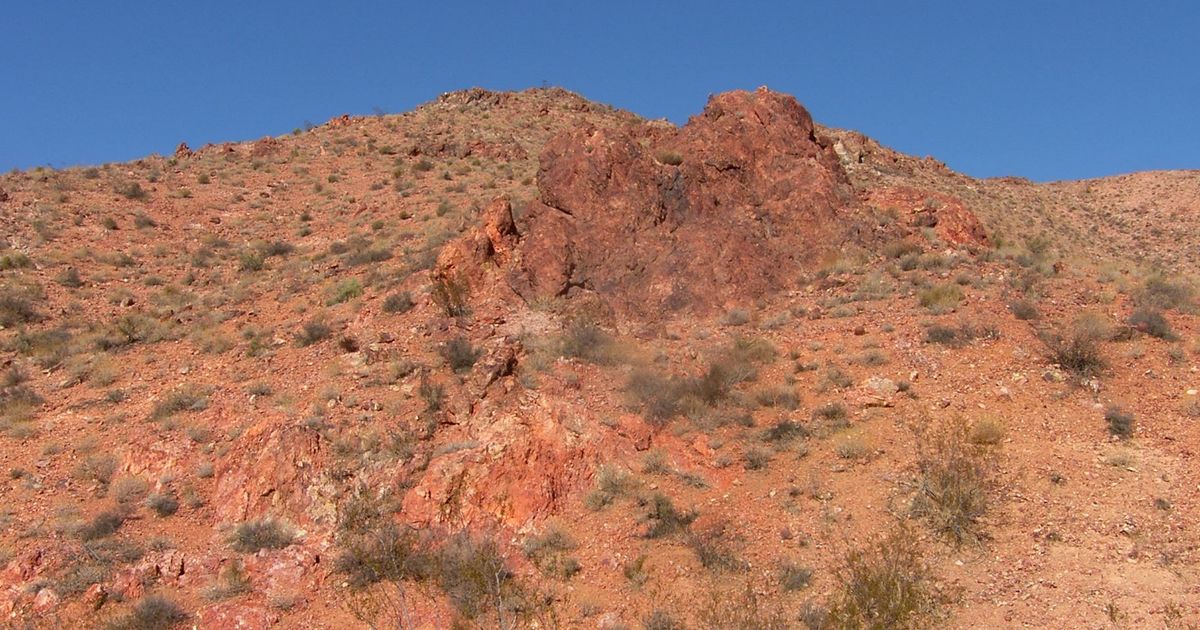
Arizona Gold & Silver reported that drill holes 159 and 160 at the Philadelphia Project encountered faulting that disrupted near-surface continuity, but CEO Mike Stark emphasized the upwelling zone remains open at depth and the system is robust (approximately 165 metres wide). The company controls 3,100 acres with a 3.5-acre concentration area and is awaiting permits to extend drilling south across about 1.5 km of untested vein exposure; management views the interruptions as expected and believes significant down-dip and along-strike exploration upside remains.
Market structure: This news is company-specific and will primarily benefit AZS/AZASF equity holders, local drill contractors and junior-explorer speculators if subsequent assays confirm continuity; it will not change global gold/silver supply or pricing in the near term. Expect short-term volatility in AZASF (days–weeks) as the market digests faulting vs. open down-dip potential; a clear permit approval or high-grade assays would re-rate the stock versus peer junior explorers (possible 30–100% move on positive proof). Cross-asset impact is negligible for bonds/FX; expect a small lift in implied equity volatility for AZASF and marginal sentiment spillover into GDXJ/GDX (1–3% knee-jerk moves). Risk assessment: Key tail risks are rapid equity dilution (financing within 30–90 days), negative metallurgy/permitting outcomes, or drill/operational setbacks that can wipe out speculative value ( >50% downside). Time buckets: immediate (days) — headline-driven swings; short (weeks–6 months) — assays, permits, financing; long (12–36 months) — resource definition, metallurgy, mineability. Hidden dependencies include capital markets appetite, metallurgical recovery rates and local permitting timelines; catalysts to watch: assay release cadence, permit issuance (60–120 days) and financing terms. trade implications: For tactical exposure, consider a small funded position in AZASF sized 2–3% of risk capital within 30 days, increasing to 4–6% only after (a) permit approval or (b) assays showing >2 g/t Au-equivalent over economic widths or silver equivalent meeting company thresholds. Use downside protection: buy a 6–9 month put (~delta 0.25) or construct a collar to cap loss at ~35%; if liquid options unavailable, size positions conservatively and set a hard 35% stop. Pair idea: long AZASF vs short 25–50% weight in GDXJ to isolate company-specific upside ahead of assays. Contrarian/risks: Consensus may underprice dilution and metallurgy risk while over-emphasizing strike length; many “open at depth” juniors never convert to reserves without continuous hits and favourable recoveries. Historical parallels: Vera Nancy-style upwelling success stories exist, but junior pipelines also show >60% failure from discovery to mine — require sequential binary confirmations (assays → permit → financing) before scaling exposure. Unintended consequence: positive PR without economic assays can inflate market cap and force dilutive financings, compressing early investor returns.
AI-powered research, real-time alerts, and portfolio analytics for institutional investors.
Request a DemoOverall Sentiment
mildly positive
Sentiment Score
0.28
Ticker Sentiment
