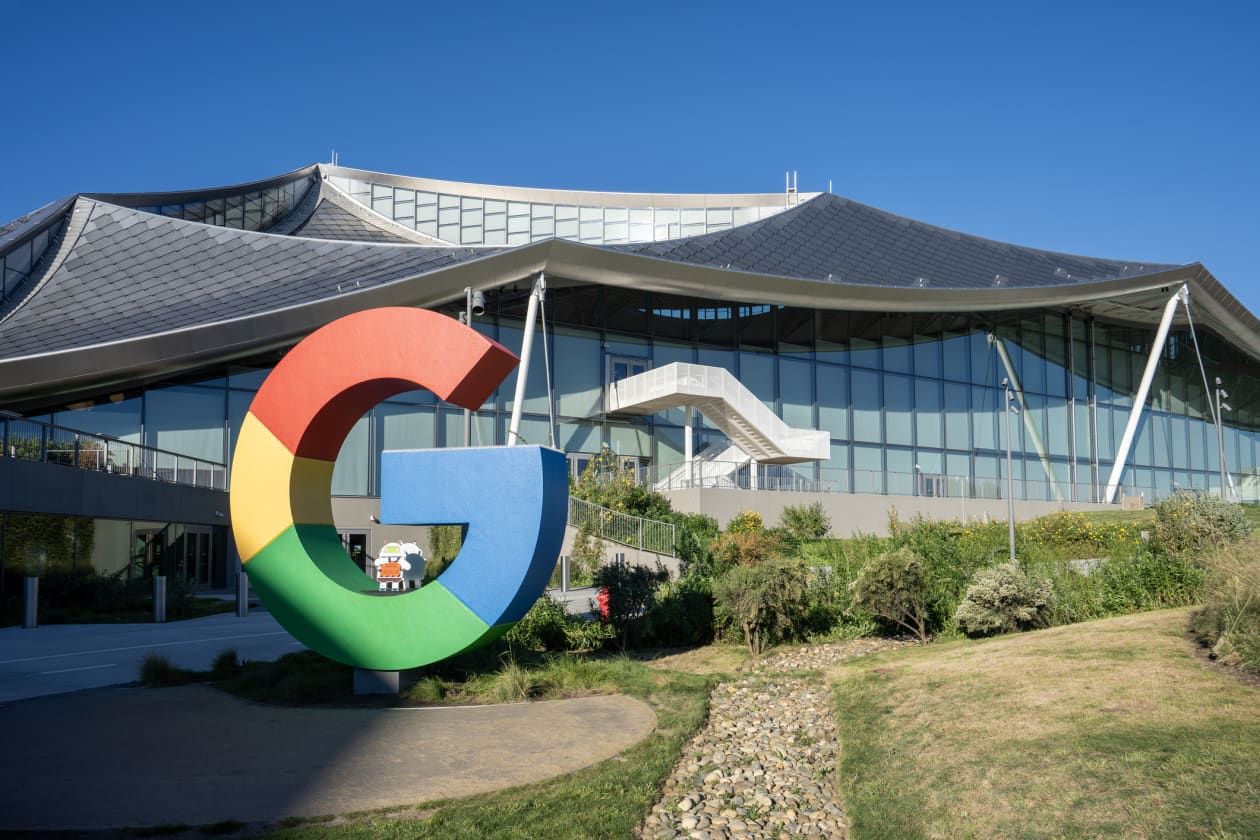
Google’s 6.11% stake in SpaceX could be worth about $107 billion at a $1.75 trillion IPO valuation and roughly $122 billion at $2 trillion, highlighting a potentially massive mark-up from its 2015 investment. SpaceX has confidentially filed for an IPO, with reports suggesting it could raise $75 billion or more as soon as June. The article also notes Google’s earlier Anthropic investment and broader exposure to high-value AI and private-market assets.
GOOGL’s SpaceX mark is not just a paper gain; it is an underappreciated balance-sheet optionality event that can re-rate the quality of Alphabet’s venture exposure and support sentiment around its broader AI capital allocation. The market tends to discount these stakes at near-zero until liquidity arrives, then suddenly treats them as a quasi-financial asset; that transition can reduce perceived conglomerate complexity and narrow the discount to sum-of-parts. The second-order effect is that Alphabet’s non-core investments may start to matter more in positioning conversations than incremental ad spend growth, which is a subtle tailwind for the stock if IPO timing stays on track. The bigger signal for the ecosystem is not SpaceX itself but the validation of late-stage private market pricing. If one mega-asset can clear at a trillion-plus valuation, it gives cover to other strategic AI and frontier-tech allocations, especially where large incumbents own meaningful stakes. That supports a virtuous loop for names tied to model infrastructure and private financing, but it also raises the risk of a valuation air pocket if the IPO is delayed or priced below the latest marks, because the market has already begun to embed a scarcity premium. For peers, the least obvious winner is capital markets sentiment around adjacent AI platforms rather than the listed aerospace comparables in the article. If the IPO window opens, investors may rotate into anything with embedded private optionality or strategic stakes, but that can quickly reverse if regulators, lock-up overhang, or governance concerns dominate the headline flow. The key timing risk is months, not days: the mark can keep appreciating into an IPO process, but the trade is most vulnerable when the filing converts narrative into a hard pricing range.
AI-powered research, real-time alerts, and portfolio analytics for institutional investors.
Overall Sentiment
mildly positive
Sentiment Score
0.35
Ticker Sentiment
