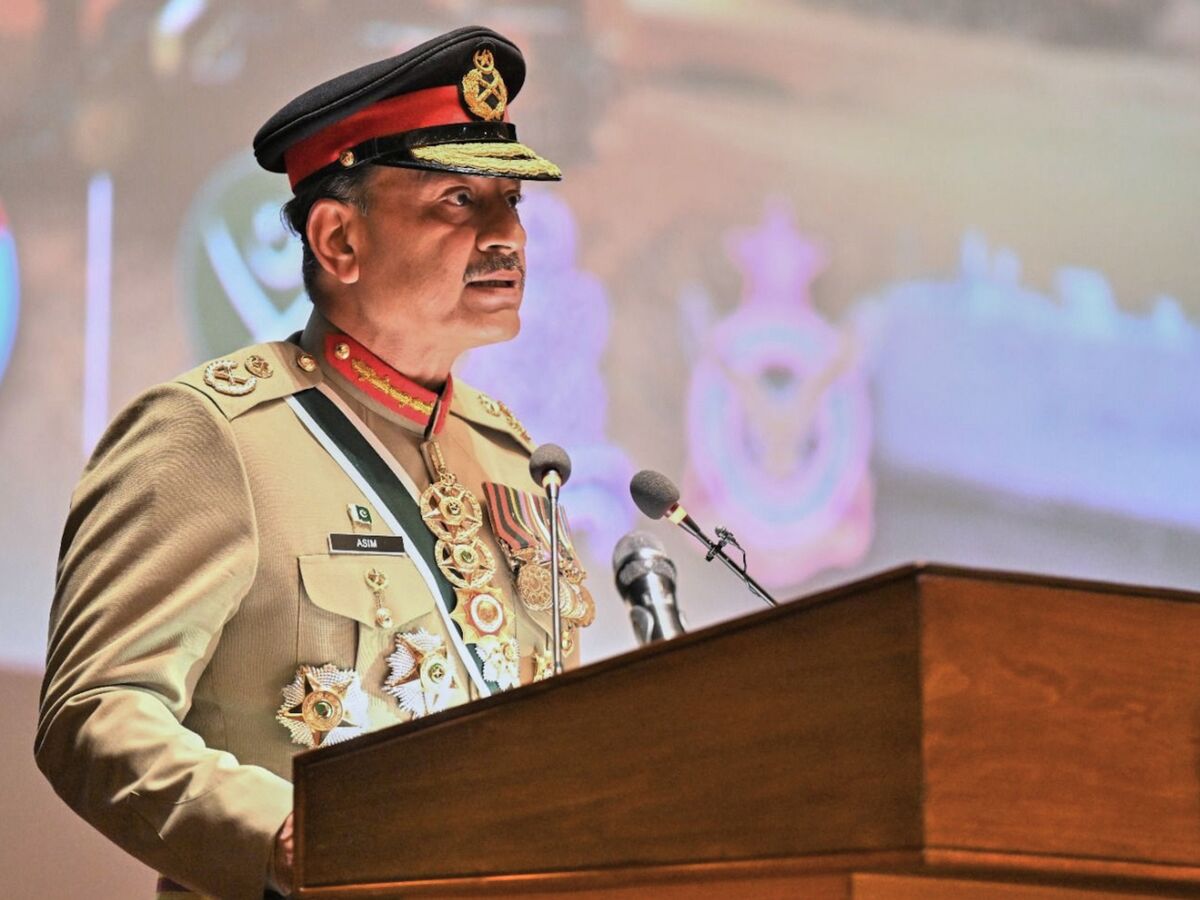
Pakistan’s army chief Field Marshal Asim Munir and Interior Minister Mohsin Naqvi traveled to Tehran as part of ongoing mediation efforts between the US and Iran after weekend peace talks failed. The report signals continued regional diplomatic activity rather than a direct economic development, but it underscores persistent geopolitical risk in the Middle East. Market impact is modest unless the mediation alters the trajectory of US-Iran tensions.
This is less about immediate regime change than about signaling leverage: Pakistan is positioning itself as a channel that can reduce escalation risk without formally owning the outcome. The first-order market effect is modest, but the second-order effect is a lower probability of a sharp energy-risk spike if the talks create even a temporary off-ramp. That matters because geopolitically induced volatility tends to show up first in freight, insurance, and regional credit before it reaches broad risk assets. The beneficiaries are likely to be the most levered shipping and defense-adjacent names only if talks fail. A breakdown would raise tail risk for Hormuz-adjacent flows, widening tanker rates and marine insurance premiums within days, while also supporting cyber and missile-defense procurement themes over a multi-quarter horizon. Pakistan itself gains diplomatic relevance, but that is mostly a soft-power asset unless it translates into external financing or security support. The market is probably underpricing the asymmetry: a successful mediation attempt can dampen headline risk without resolving the underlying strategic conflict, so volatility premium may decay faster than realized risk. Conversely, if negotiations stall, the move can gap quickly because positioning in geopolitics is usually complacent until it isn’t. The key catalyst window is days to weeks, not months; once the narrative shifts, the market will reprice faster than the underlying diplomacy. Contrarian view: consensus may be too focused on the existence of talks rather than the durability of any pause. Even a partial de-escalation can be sold into if oil and freight fail to react, because the structural issue remains unresolved and rerisking can occur on the next incident. That makes this a better volatility setup than a directional macro call.
AI-powered research, real-time alerts, and portfolio analytics for institutional investors.
Request a DemoOverall Sentiment
neutral
Sentiment Score
-0.10
