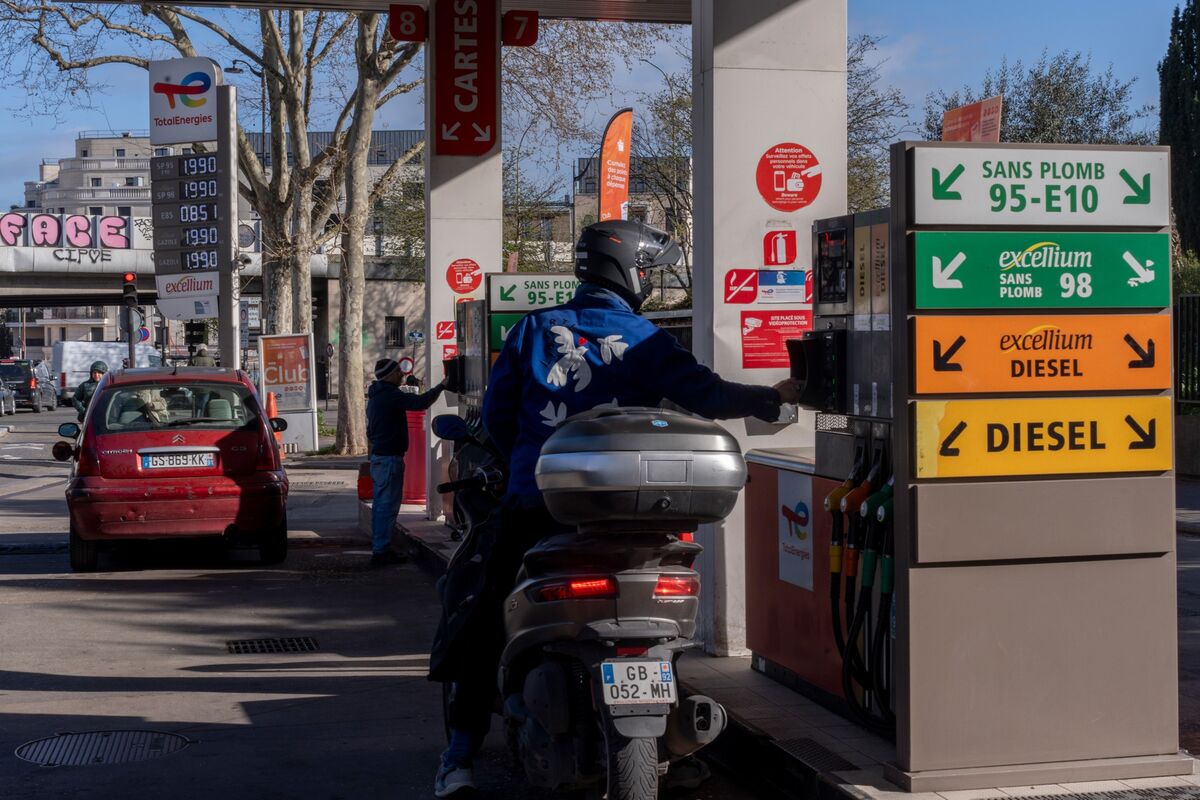
The EU plans to give member states more flexibility to subsidize fuel and fertilizer prices to cushion the price shock from the Iran war, with any extra aid required to be granted before year-end. Fuel support would be capped at 50% of the conflict-related extra costs under a draft temporary state-aid framework. The move is supportive for energy- and fertilizer-sensitive sectors, but it underscores ongoing war-driven inflation and policy intervention risks across Europe.
This is a classic short-horizon fiscal buffer, not a structural fix. By capping and time-limiting the subsidy response, policymakers are implicitly buying time for consumers and industrial users while preserving optionality if the conflict escalates further; that tends to flatten the immediate inflation spike but does little to change the medium-term commodity risk premium. The second-order effect is that the burden shifts from households to sovereign balance sheets, which matters most for peripheral members with weaker fiscal space and more energy-intensive industrial bases. The biggest near-term winners are downstream users with high pass-through sensitivity: transport operators, fertilizer importers, and food producers that can exploit the temporary relief to defend margins. But the policy may also dull the price signal that would otherwise force demand destruction, meaning the market could see a slower adjustment in fuel consumption than futures curves currently imply. That can keep refined-product and natural-gas-linked inflation elevated for several months even if headline energy prices stabilize. The main risk is that this becomes politically contagious: once one member state extends support, others may be forced to follow, turning a temporary framework into a quasi-permanent subsidy regime. That would be marginally bullish for energy demand and mildly inflationary for Europe, while also increasing scrutiny on fiscal rules and widening spreads for higher-deficit sovereigns. The contrarian read is that the policy may be less bearish for energy than it looks, because capped support can reduce panic-driven substitution and keep industrial demand from breaking lower in the near term.
AI-powered research, real-time alerts, and portfolio analytics for institutional investors.
Overall Sentiment
mildly negative
Sentiment Score
-0.15
