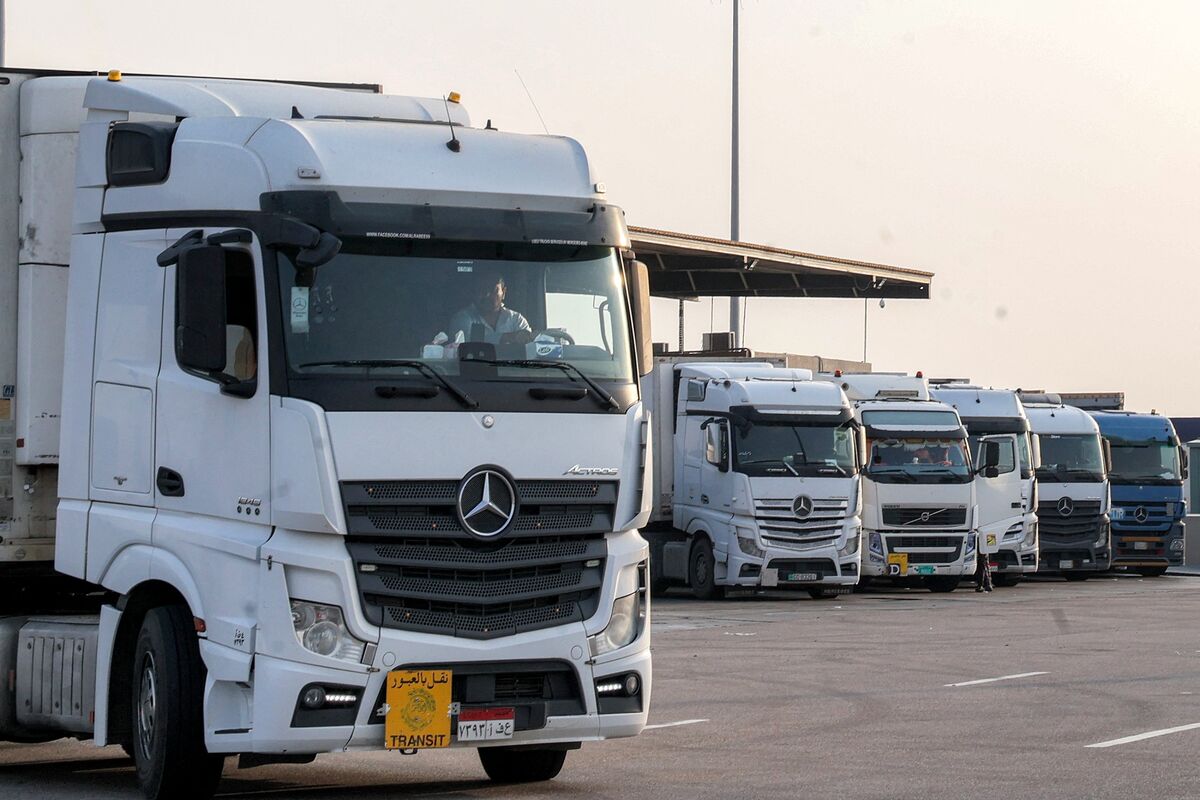
Near-closure of the Strait of Hormuz is forcing Gulf producers of metals and consumer goods to shift shipments to land transport as container carriers add trucking services and local haulers see surging demand. The disruption is a worst-case scenario for non-oil trade in the region, even as crude exporters had contingency measures in place. The situation raises logistics costs and supply-chain risk across the Persian Gulf and could ripple through broader commodity and goods flows.
The key market implication is not just higher logistics costs, but a forced re-pricing of Gulf supply chain reliability. When sea routes become intermittently unusable, the premium accrues to assets with embedded overland optionality: regional trucking, rail-linked ports, cross-border warehousing, and any carrier with multi-modal brokerage capability. That creates a temporary but meaningful margin transfer away from ocean shippers with exposed Middle East lanes and toward land freight operators that can charge congestion-driven spot rates; the more important second-order effect is inventory build, as importers pay up to avoid stockouts, pulling demand forward by weeks. The most vulnerable segments are consumer goods and industrial metals distributors that run lean Gulf inventories and rely on just-in-time imports. Their issue is not only transport expense but working-capital strain: higher in-transit days, higher insurance, and higher cash tied up in buffer stock. Over a 1-3 month horizon, this can compress gross margins even if end-demand holds, because pricing power in retail and downstream manufacturing typically lags freight inflation by a quarter or more. The energy read-through is asymmetric. Crude exports may remain partially intact via contingency channels, but refined products and non-oil trade are where the real friction shows up; that matters because a prolonged disruption can tighten regional fuel spreads and elevate bunker/road diesel costs globally. The contrarian risk is that the market may over-discount a full trade shutdown: if land corridors scale faster than expected, the disruption shifts from volume destruction to margin erosion, which is still painful but less catastrophic than headlines imply. Catalyst timing matters: the next 2-6 weeks should be dominated by spot rate spikes, route reconfiguration, and earnings revisions for logistics names; a 3-6 month horizon is where inventory destocking, delayed consumer replenishment, and working-capital stress show up in reported numbers. A reversal would require either a credible de-escalation that restores maritime confidence or a sustained operational workaround that normalizes trucking capacity and insurance pricing. Absent that, the trade is to own the bottlenecks, not the downstream end users.
AI-powered research, real-time alerts, and portfolio analytics for institutional investors.
Request a DemoOverall Sentiment
moderately negative
Sentiment Score
-0.35
