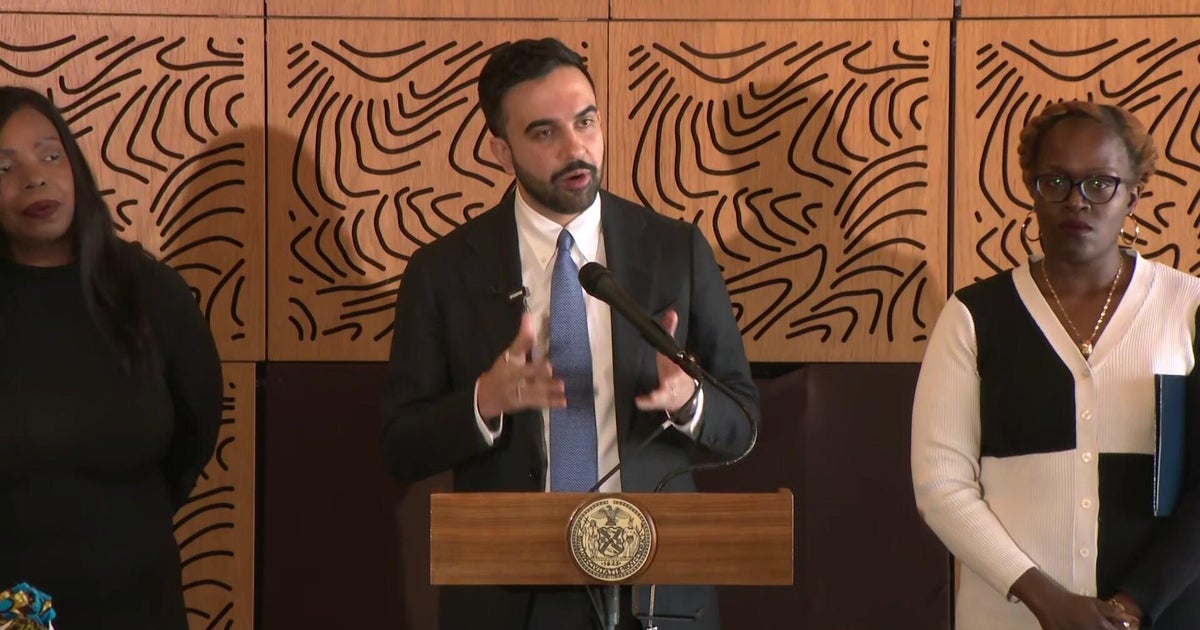
New York City Mayor Zohran Mamdani pitched a proposal to President Trump to build the world’s largest rail deck over Amtrak’s Sunnyside Yard in Queens and develop roughly 12,000 housing units, parks, child care, hospitals and other neighborhood infrastructure. The plan seeks $21 billion in federal aid and would deliver more housing in a single project than the city has seen since 1973, but faces feasibility questions — a prior study projected a 100-year build timeline and earlier cost estimates of $14 billion — and currently has only expressed interest from the White House rather than committed funding or a timeline.
Market structure: A federal-backed Sunnyside rail-deck would primarily benefit heavy civil contractors, engineering firms and materials suppliers (steel, cement, aggregates) and selectively lift NY residential developers and construction-focused REITs. Direct winners: Caterpillar (CAT), Jacobs (J), AECOM (ACM), Vulcan Materials (VMC), Martin Marietta (MLM); losers: Manhattan office-heavy REITs (SLG, VNO) if capital diverts and short-term labor/materials push costs higher. The project’s 12,000 units is meaningful politically but represents <1% of NYC housing stock, so pricing power on city rents is a long-run, not immediate, constraint. Risk assessment: Tail risks include federal funding rejection, multi-decade regulatory/legal delays (EIS, community opposition), and a cost blowout >50% (>$30bn) that stalls private partner economics — each could wipe out contractor equity gains. Timeline bifurcation: market reactions in days-weeks to federal signaling; real industrial demand unfolds over 2–10 years; construction jobs/material demand peaks 3–7 years after appropriation. Hidden dependencies: Amtrak operational constraints, labor availability, and NYC procurement politics; catalysts are appropriation votes, a signed MOU within 3–6 months, or release of a new feasibility study. Trade implications: Tactical long exposure (1–3% portfolio) to large-cap contractors and materials (CAT, J, VMC, MLM) with 12–24 month horizon; buy Jan 2027 LEAPS calls (or 12–18 month OTM calls) on J and VMC to cap cash outlay. Pair trade: long VMC (materials) vs short SLG (office REIT) 1:1 to capture relative benefit from infrastructure-led demand and relative pain for office landlords. Consider modest long NYC GO municipal bonds (2–4% position) if federal commitment reduces state borrowing needs; hedge duration if inflation surprise occurs. Contrarian angles: The market may overstate immediacy — feasibility studies have shown 100-year buildout; therefore near-term outperformance is unlikely without a firm federal appropriation. Conversely, investors underestimate multi-year upside to materials and heavy-equipment demand if federal funding is approved; that scenario could drive 15–30% upside in suppliers over 24–36 months. Watch for substitution effects: nationwide infrastructure push could lift construction stocks broadly, reducing idiosyncratic NYC-alpha and compressing sector dispersion.
AI-powered research, real-time alerts, and portfolio analytics for institutional investors.
Request a DemoOverall Sentiment
mixed
Sentiment Score
0.05
