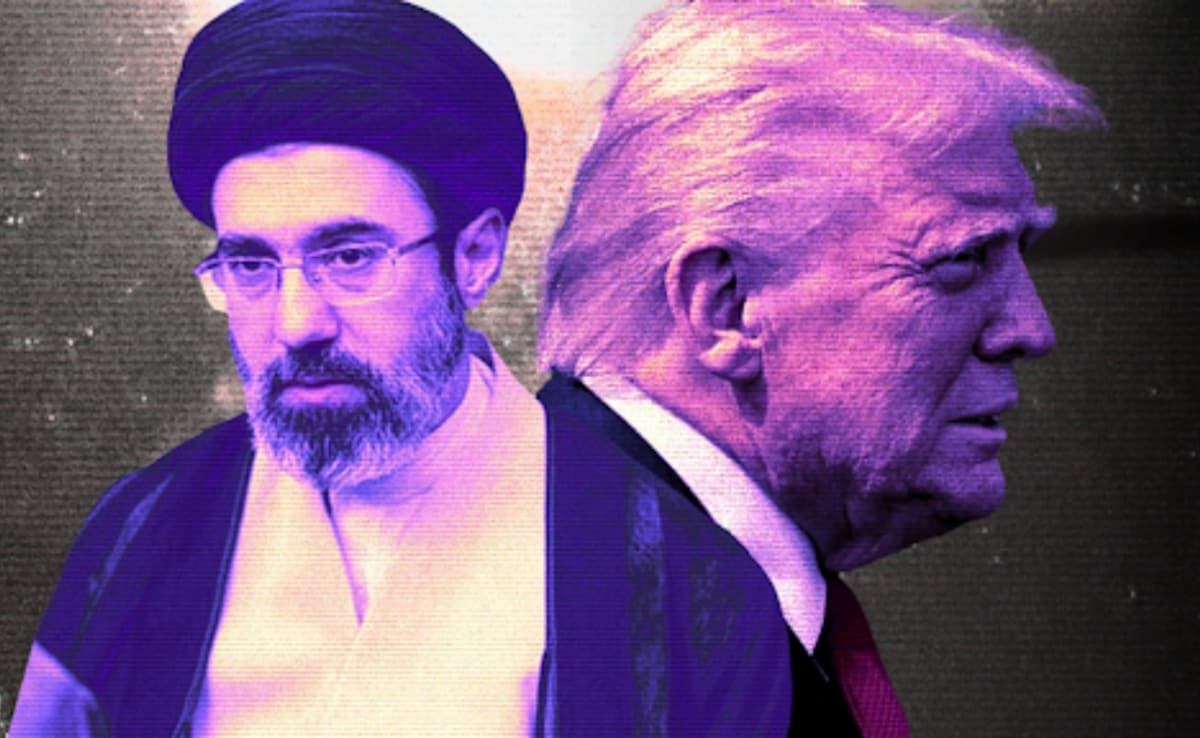
The US and Iran are considering a two-week ceasefire extension, but tensions remain elevated over the Strait of Hormuz, where a US naval blockade and Iranian closure have sharply curtailed oil and gas transit. Brent crude is still trading just over $95 a barrel, about 33% above prewar levels, while supply disruptions are feeding inflation pressure and concern over global energy shortages. The article also highlights unresolved nuclear issues, continued proxy conflict involving Israel and Hezbollah, and potential escalation risks if the ceasefire breaks down.
The market is pricing the ceasefire extension as a binary de-escalation event, but the more important signal is that both sides are still using energy flows as leverage. That means the near-term equity bid can persist even if nothing is actually resolved; risk assets usually rally hardest when headline risk decays faster than fundamental risk. The key second-order effect is that every additional week of chokepoint stress keeps insurers, shipowners, refiners, and commodity merchants in a re-pricing cycle that is harder to reverse than spot crude. The biggest mispricing is duration: oil can mean-revert on a peace headline in days, but inventory rebuilding, freight normalization, and Gulf infrastructure repair are multi-quarter processes. Even if Hormuz reopens partially, the market should discount a persistent “security tax” on barrels moving through the region, which supports tanker rates and keeps delivered energy costs elevated versus front-end crude. That matters for airlines, chemicals, and European industrials more than for the headline energy complex. A second-order beneficiary is the domestic US energy and logistics stack that can move molecules without relying on Hormuz, especially Gulf Coast exporters and pipeline-linked operators. Conversely, refiners exposed to imported crude and consumer-discretionary sectors sensitive to gasoline/diesel should lag if retail fuel prices remain sticky into summer travel season. The contrarian view is that the best risk/reward may be in volatility rather than directional oil: the setup favors repeated headline-driven gaps, but not a clean trend unless the blockade or ceasefire definitively breaks. The main catalyst over the next 1-2 weeks is whether technical talks produce a face-saving framework on nuclear verification and maritime access; failure there likely restores a war-premium bid quickly. Over 1-3 months, the real downside to the bullish energy thesis is coordinated diplomatic pressure to normalize transit, which would compress freight and insurance premiums before physical supply fully recovers. Until then, the market is underpricing the lag between a peace headline and actual barrel normalization.
AI-powered research, real-time alerts, and portfolio analytics for institutional investors.
Request a DemoOverall Sentiment
moderately negative
Sentiment Score
-0.45
