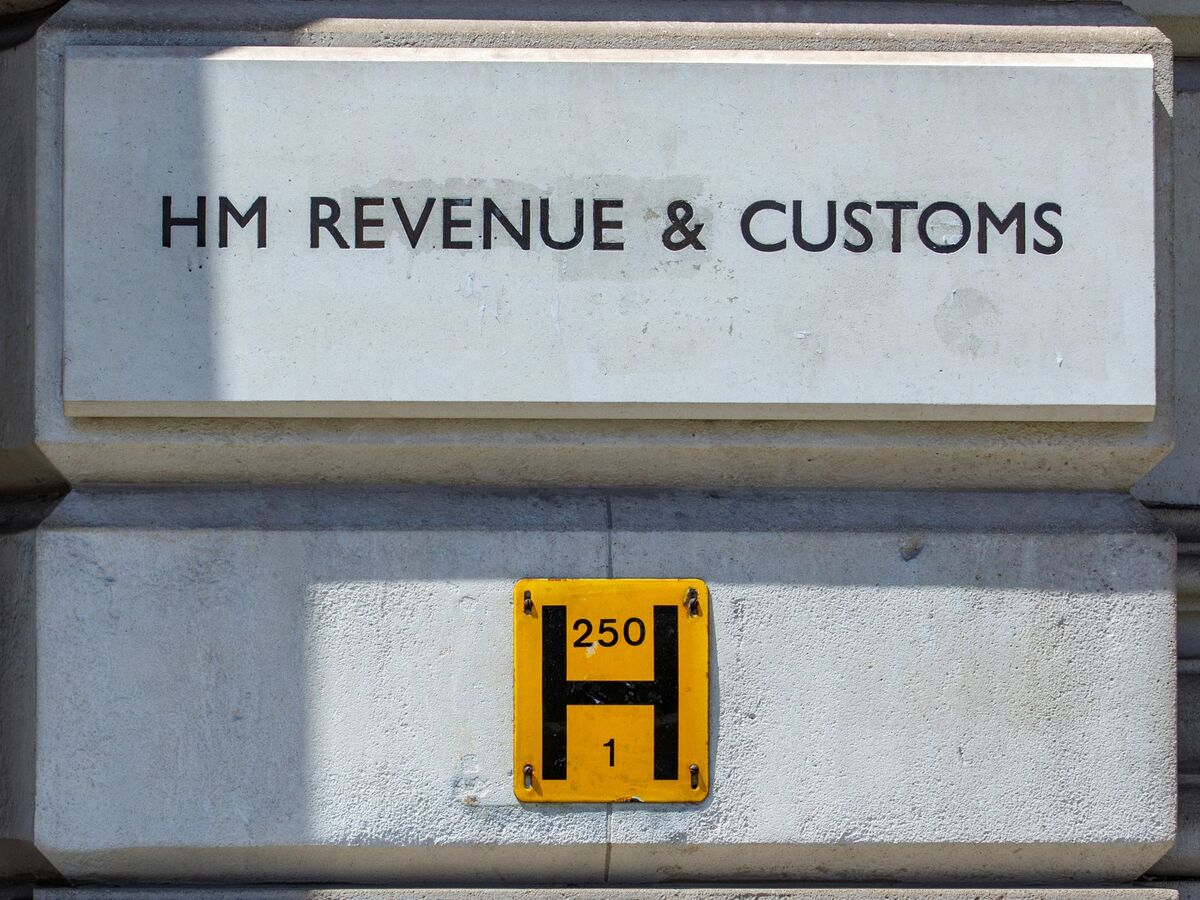
HMRC is asking a London court to block Waldorf Production UK Plc’s restructuring plan, arguing it would eliminate £69.8 million ($94.6 million) of unpaid windfall tax liabilities. The tax office also says the deal could leave Harbour Energy Plc with access to roughly $900 million of value from Waldorf’s tax losses if the acquisition proceeds. The dispute raises legal and tax risk for the transaction and could affect creditor recoveries.
This is less about one distressed issuer and more about the precedent risk for any UK North Sea balance-sheet repair that tries to socialize tax liabilities while privatizing tax assets. If the court sides with HMRC, it raises the execution bar for “asset sale + liability reset” structures and increases the probability that buyers demand deeper discounts, escrow protections, or seller-funded settlements in future transactions. That pressure should widen the bid-ask for marginal UK upstream assets and selectively favor cleaner balance sheets over complex restructurings. The second-order winner is likely the government’s negotiating leverage, but the market winner is broader than that: non-UK upstream names with similar reserve life and fiscal stability should screen better relative to UK North Sea peers. The loser set extends to local service companies and mid-cap operators that rely on recycling distressed assets to maintain drilling cadence; if these processes slow, near-term capex defers and basin activity can soften before production data does. Harbour also faces a hidden risk: even if it closes, the deal may not be as accretive on an after-tax basis as modeled, which can compress the acquisition premium and force repricing of the entire synergy narrative. Catalyst timing is binary over days to weeks if the court moves quickly, but the bigger pricing effect plays out over months as lenders, bidders, and advisers incorporate a higher probability of tax disallowance into all UK energy restructurings. The contrarian view is that the market may be underestimating how much this improves the long-run competitive position of the best-capitalized incumbents: if distressed consolidation becomes harder, incumbents with low leverage and visible cash flows get less competition for assets and can acquire reserves only when sellers are truly forced. That means the near-term headline is bearish for the transaction, but the medium-term structural effect may be bullish for stronger UK-listed producers versus the distressed cohort.
AI-powered research, real-time alerts, and portfolio analytics for institutional investors.
Request a DemoOverall Sentiment
moderately negative
Sentiment Score
-0.45
