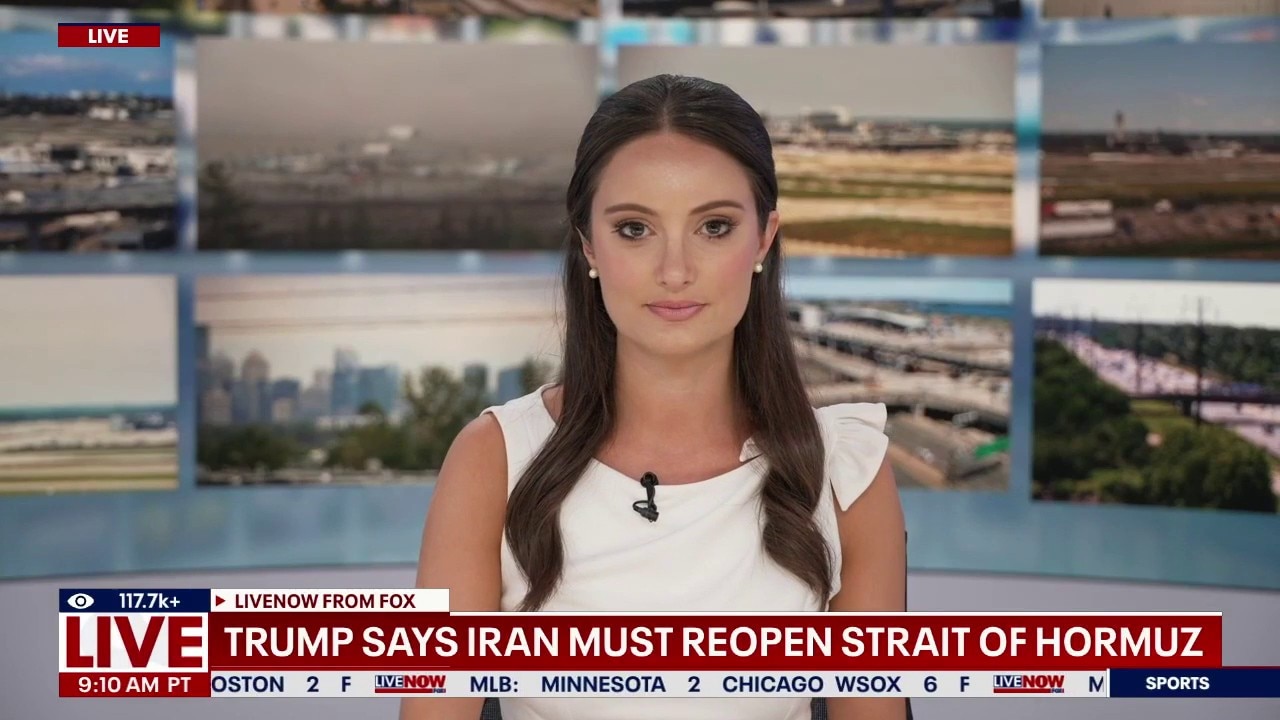
Iran-U.S. ceasefire and nuclear talks remain unresolved after a two-hour White House meeting, with Trump still weighing a deal and insisting Iran never obtain a nuclear weapon. Proposed terms would reopen the Strait of Hormuz, remove mines for 30 days, and gradually ease U.S. sanctions, but Iran is demanding broader guarantees and frozen-funds relief. The uncertainty keeps a key oil transit route and Middle East risk premium in play, with the Strait of Hormuz handling roughly a fifth of global daily oil flows before the war.
The market is underestimating the optionality embedded in a partial détente. The first-order beneficiary is obviously crude, but the more interesting second-order trade is on shipping, insurance, and Middle East logistics: even a credible path to reopening the Strait of Hormuz would compress war-risk premiums quickly, while a failed deal keeps that premium sticky and sustains margin pressure for refiners and industrial users outside the Gulf. The setup is asymmetric because oil can gap on headlines, but transportation and freight rates usually re-rate more slowly, creating a window to express the view through equities rather than outright crude. The real breakpoint is not diplomacy, it is verification. Iran’s enriched stockpile and the insistence on sequencing imply a high probability of a “framework without enforcement,” which tends to create short-lived relief rallies followed by renewed volatility once implementation details stall. That favors volatility structures over directional spot exposure: the next 2-6 weeks are all headline risk, while the 3-6 month path depends on whether sanctions relief actually shows up in export data and whether the Strait remains operational without intermittent disruption. A less obvious loser is non-Gulf energy self-help supply, particularly U.S. shale and LNG-linked infrastructure, if sanctions relief meaningfully lifts Iranian exports while keeping OPEC barrels constrained. If Iran regains cash flow, it can spend on proxies and harden negotiations rather than capitulate, which raises the tail risk of renewed military action later in the year. In other words, a deal that looks de-escalatory may actually prolong strategic uncertainty, keeping defense and cybersecurity spending elevated even if crude softens. Consensus is treating this as a binary peace/no-peace event; that is too simplistic. The more probable outcome is a messy, partial arrangement that lowers near-term oil risk but fails to remove medium-term conflict risk, which means the best risk-adjusted expression is to sell the immediate volatility premium while keeping upside convexity on a breakdown. The market is likely overpricing the durability of any ceasefire and underpricing how quickly trust can collapse once enforcement or nuclear verification becomes contentious.
AI-powered research, real-time alerts, and portfolio analytics for institutional investors.
Request a DemoOverall Sentiment
mildly negative
Sentiment Score
-0.25
