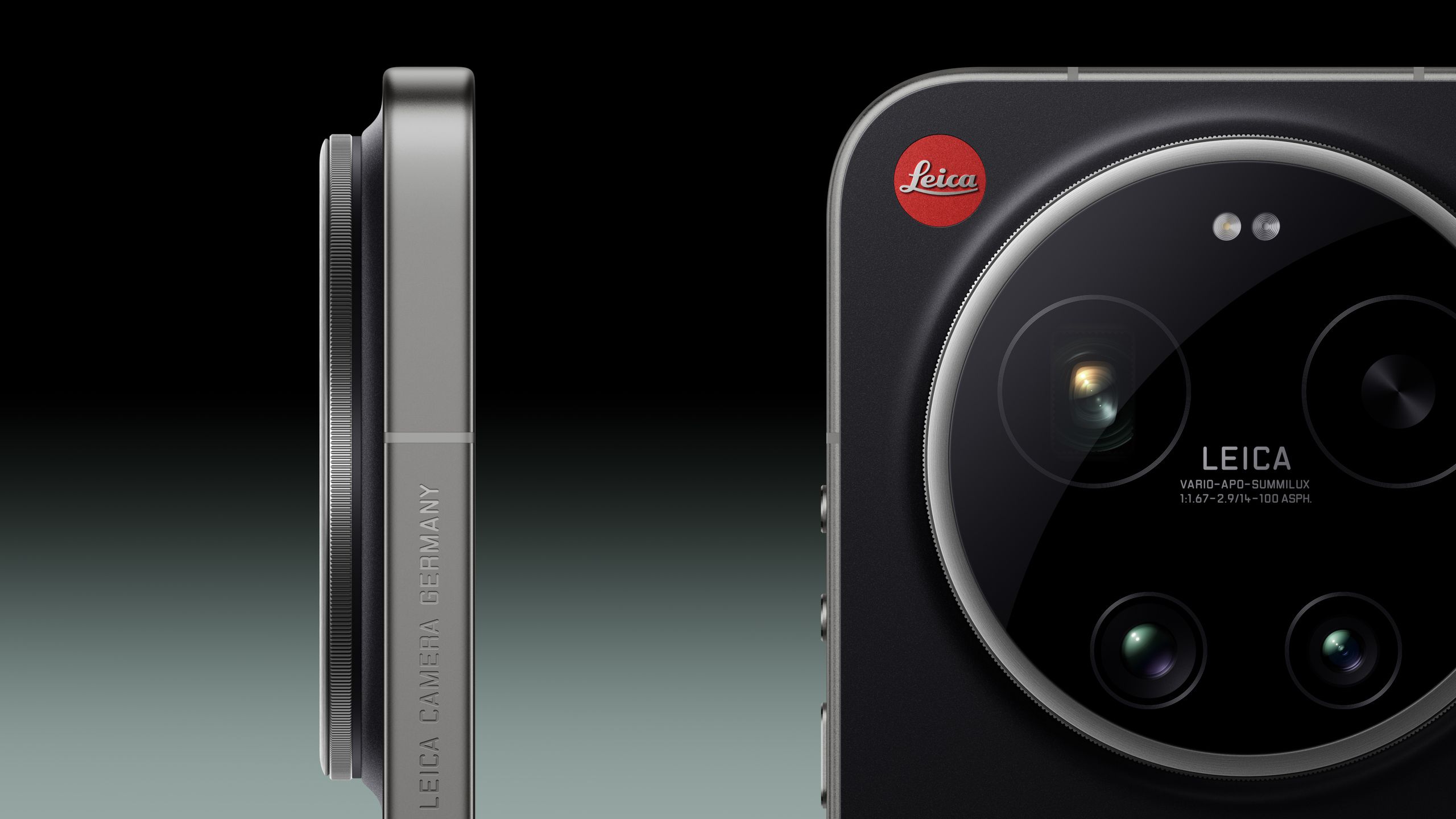
Leica and Xiaomi have launched the Leica Leitzphone—a premium, photography-focused smartphone introduced at Mobile World Congress and sold alongside Xiaomi’s 17 series—featuring a triple-camera system with a 1-inch main sensor and a periscope telephoto with a large 200‑megapixel sensor offering optical zoom from 75–100mm, plus Leica-specific hardware (a mechanical control ring) and thirteen 'Leica Looks' modes. Priced at £1,700 / €1,999 and available via Leica’s website and stores, the device underscores Leica’s deeper design collaboration with Xiaomi and positions both firms in the high-end imaging smartphone niche; the release is strategically relevant for brand positioning but is unlikely to be materially market-moving for either company.
Market structure: Winners are Xiaomi (1810.HK) as the OEM and premium optical suppliers (Sony 6758.T, Sunny Optical 2382.HK, Largan 3008.TW) due to ASP uplift (Leitzphone at €1,999 vs Xiaomi mid‑tier ASPs — potential +€300–€700 per unit). Losers include specialty compact camera makers (Canon 7751.T, Nikon 7731.T) and low‑end smartphone OEMs facing differentiation pressure. The move modestly strengthens Xiaomi's pricing power in EU/UK but is unlikely to shock volumes; expect supplier order uplifts for high‑end sensors, tightening near‑term supply/demand for 1‑inch and 200MP sensors. Risk assessment: Tail risks include weak sell‑through (product returns), geopolitical restrictions on Chinese tech exports, or royalty disputes that could erase margin gains. Immediate effects (days) are PR-driven; short‑term (1–3 months) hinge on reviews and initial orders; long‑term (6–18 months) depends on sustained sell‑through and repeat models. Hidden dependencies: Leica licensing economics, limited Leica Store footprint, and capacity for premium sensor production; catalysts are first‑quarter sell‑through, Xiaomi FY guidance and component supplier order updates. Trade implications: Consider a 2–3% long position in 1810.HK targeting +25% in 12 months (stop‑loss 12%), and a 1–2% long in 2382.HK to capture optics ASP lift. Buy a 3‑month call spread on QCOM (or 1810.HK ADR equivalents) to play SoC exposure around upcoming earnings; example: buy 3‑month ATM call, sell 30% OTM call to fund premium. Pair trade: long 2382.HK, short Canon (7751.T) small size (0.5–1%) to express secular camera decline. Contrarian angles: The market may overstate impact — even premium pricing likely represents <1–2% of Xiaomi revenues in year one, so equity impact can be muted. Historical parallel: Huawei‑Leica improved halo effects without displacing Apple/Samsung share. Unintended consequences include brand dilution for Leica or cannibalizing Leica camera accessory sales; require monitoring sell‑through rates and Leica licensing disclosures within 60 days before scaling exposure.
AI-powered research, real-time alerts, and portfolio analytics for institutional investors.
Request a DemoOverall Sentiment
mildly positive
Sentiment Score
0.30
