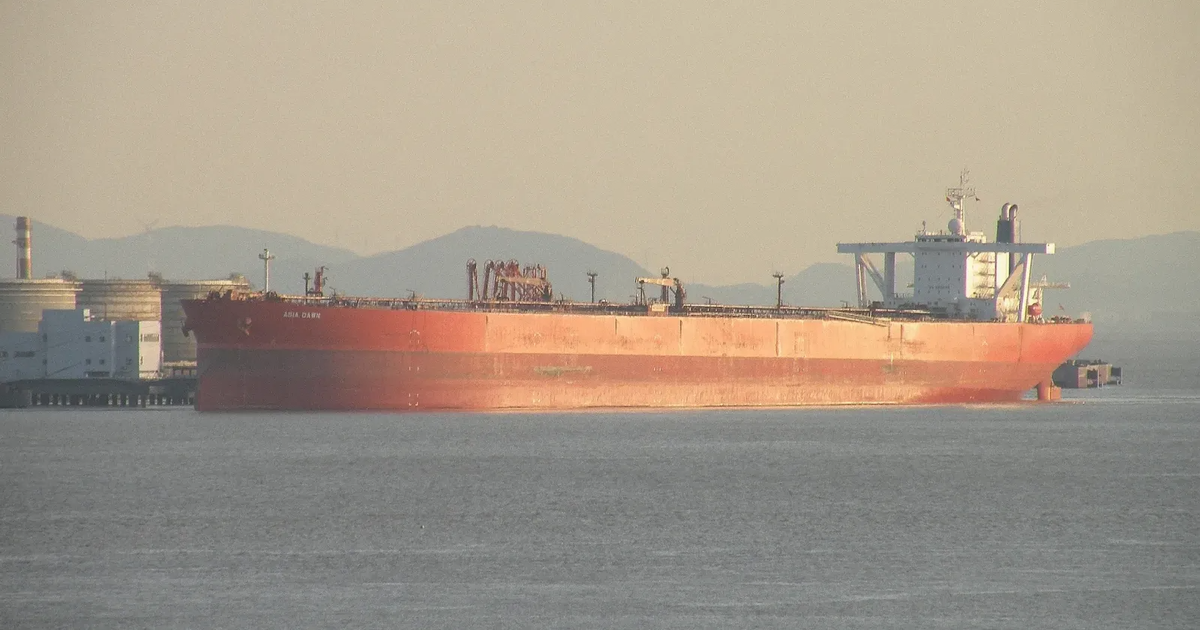
U.S. forces say a blockade of Iranian ports has been fully implemented, with CENTCOM claiming maritime trade into and out of Iran has been halted within 36 hours. The article reports multiple tankers and sanctioned vessels transiting or positioning near the Strait of Hormuz, underscoring elevated disruption risk for energy flows through a critical global chokepoint. The situation is likely to keep oil transport, sanctions enforcement, and Gulf shipping sentiment highly volatile.
The market is likely underpricing how quickly a maritime "partial blockade" becomes a filtering mechanism rather than a full stop. The first-order read is oil disruption, but the second-order effect is a forced segmentation of shipping: Iran-linked hulls, insurers, and shadow intermediaries get pushed into higher-friction routes, while compliant non-Iran cargo may actually retain passage with a discount in freight and insurance volatility. That means the biggest immediate winners are not just crude bulls, but also owners of substitute tonnage and defense-adjacent maritime surveillance/escort assets if the enforcement regime persists beyond a few days. The more important risk is operational opacity. Once transponders go dark, the probability of spoofing, AIS manipulation, and port-call ambiguity rises sharply, which makes the blockade harder to verify and easier to politicize. That creates a classic squeeze setup: headlines can support energy prices intraday, but if physical flows prove resilient, the move can reverse quickly; if even a small fraction of Gulf exports is actually delayed for 1-2 weeks, the prompt Brent curve should tighten materially and diesel cracks should outperform crude. For cross-asset positioning, the cleanest expression is not outright long oil alone, but long volatility around the Middle East supply chain. The consensus may be too focused on whether the blockade is "real" and not enough on the behavior change it induces in charterers, insurers, and refiners; even an unenforced blockade can raise freight and war-risk premia enough to widen regional crude differentials and stress Asian refiners. The catalyst window is days, not months: either enforcement evidence broadens into visible berth congestion and interrupted loadings, or the story fades as ships reroute and the market concludes traffic can keep moving under sanctions risk.
AI-powered research, real-time alerts, and portfolio analytics for institutional investors.
Overall Sentiment
strongly negative
Sentiment Score
-0.55
