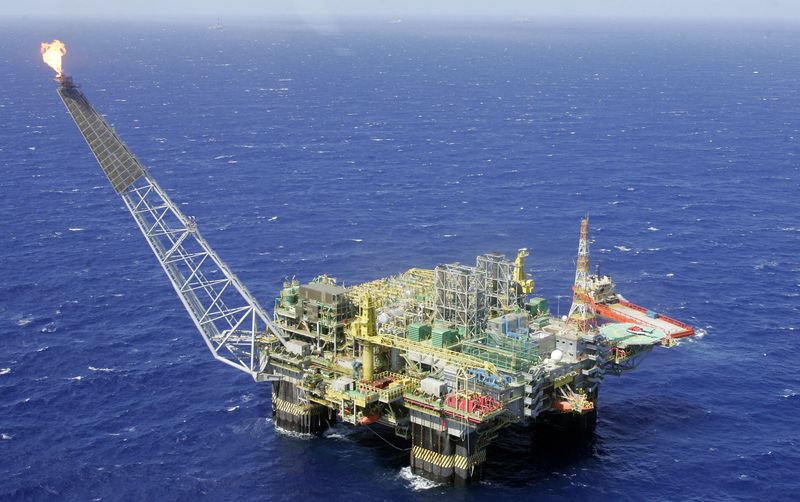
The EU is considering a temporary freeze of its Russian oil price cap at $44.10 per barrel instead of allowing the cap to rise under its dynamic formula. Alternatives include suspending automatic increases until year-end or capping any increase at $60 to match the G7 level. The move would be part of the EU’s 21st sanctions package and could affect oil trade, shipping, and insurance services tied to Russian crude.
This is more important for tanker, insurance, and shadow-fleet economics than for the oil price itself. A frozen cap preserves the economics of Russian barrels moving through non-Western logistics channels, but it also reduces the odds of a late-summer tightening shock that would have forced a repricing higher in freight and crude differentials. In other words, the market may be underpricing the policy signal: Europe is showing willingness to keep oil flowing while still looking tough on paper, which tends to compress volatility more than it changes the outright supply balance. The second-order winner is any asset levered to stable seaborne crude flows rather than a spike in headline prices. That should favor large energy majors with integrated trading books over pure upstream names, because flat caps with low realized volatility support refining and arbitrage margins without triggering demand destruction. The loser is implied volatility in energy and shipping names; if the cap stays unchanged, the risk premium around a sanctions-driven supply cutoff gets pushed out by months, not eliminated. The contrarian takeaway is that a freeze is bearish for the most crowded geopolitical long: an immediate crude squeeze. If the market was positioned for sanctions escalation into early June, this removes a catalyst and could mean a short-term unwind in Brent call buying, especially if Middle East headlines fail to worsen further. The real tail risk is political reversal: if the EU settles on the $60 G7 alignment instead of a freeze, the market could quickly re-price a looser enforcement regime, which would be negative for freight rates and bullish for Russian export optionality. NVDA is a zero-signal here; the only indirect angle is that lower energy volatility slightly reduces macro pressure on data-center capex, but it is too remote to trade.
AI-powered research, real-time alerts, and portfolio analytics for institutional investors.
Overall Sentiment
neutral
Sentiment Score
-0.05
Ticker Sentiment
