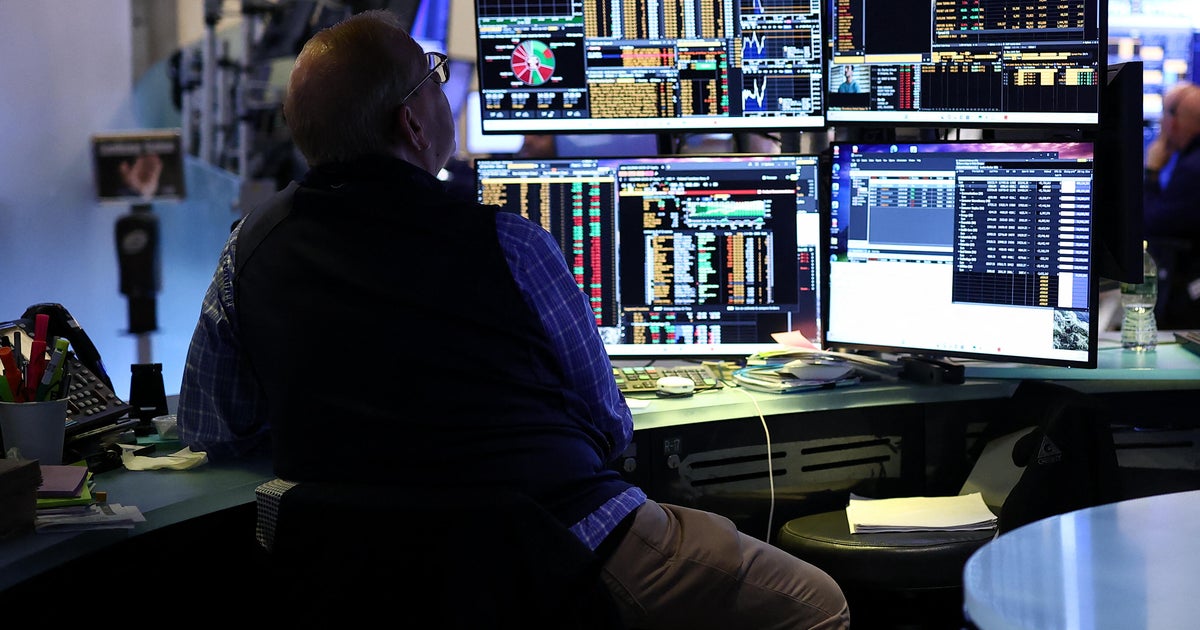
The S&P 500 rose 0.8% to 7,022, topping its prior record close of 6,979 and putting major U.S. indices near fresh highs despite Iran war and inflation worries. The Nasdaq was up 1.4% and has posted 10 straight gains, while the Dow fell 52 points. Strong bank earnings, resilient economic activity, and optimism around AI spending are supporting risk appetite even as investors watch the Middle East conflict and oil-price fallout.
The market is treating this as a volatility event, not a regime change, which is exactly why the rally can persist even with headline inflation pressure. The more important signal is that investors are buying cyclicality and mega-cap duration at the same time, implying confidence that higher input costs will stay contained long enough for earnings revisions to keep grinding up. That tends to favor balance-sheet strength and fee-generating financials over energy-sensitive industrials and rate-sensitive consumer names. For the banks, the second-order effect is not just better net interest income; it is capital markets and trading activity staying elevated as long as equity indices are making new highs. WFC, BAC, and MS have the cleanest setup because they benefit from both resilient consumer/corporate activity and a healthier risk appetite backdrop, while JPM is more of a quality compounder than a momentum expression. If the market continues to ignore inflation prints, the group can see multiple expansion for 1-2 quarters before lending weakness shows up. The biggest gap in consensus is that the market is pricing a quick normalization in commodity and geopolitical risk, but the inflation impulse from energy is already embedded with a lag. If oil stays elevated for another 4-8 weeks, you could see the first real downgrade cycle hit discretionary and transport names before macro data fully reflects it. That creates a tactical window to own beneficiaries of nominal growth while fading sectors with tight margins and weak pricing power. The tech strength is more fragile than the index-level move suggests: the market is rewarding AI capex now, but next week’s megacap reports become a high bar event. If commentary shows monetization lag or capex intensity rising faster than revenue acceleration, the market may rotate from multiple expansion into selective earnings quality, particularly out of crowded large-cap growth. In that sense, the rally is bullish, but also increasingly dependent on a narrow set of print-driven catalysts.
AI-powered research, real-time alerts, and portfolio analytics for institutional investors.
Request a DemoOverall Sentiment
moderately positive
Sentiment Score
0.55
Ticker Sentiment
