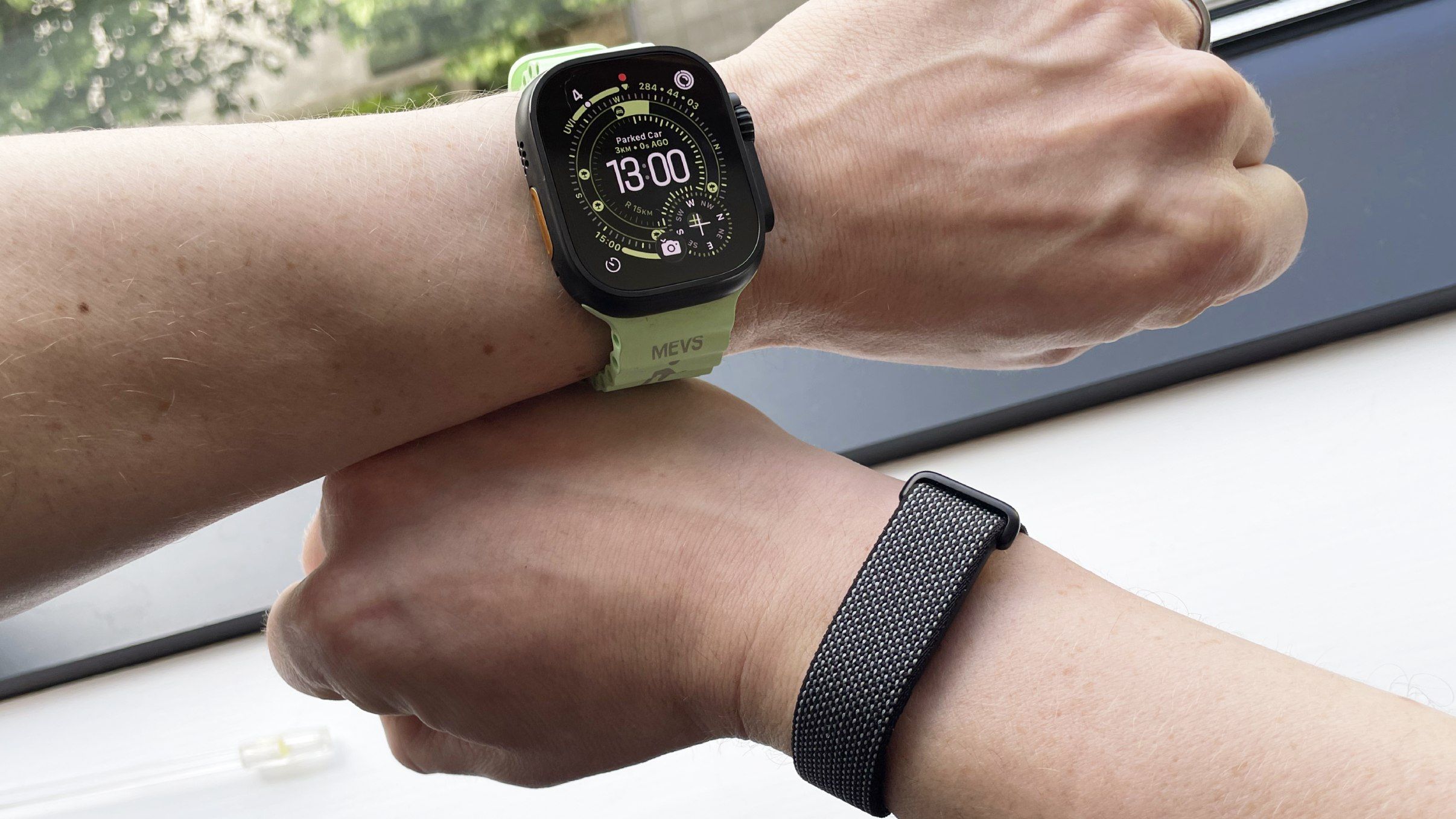
The Google Fitbit Air compares closely with the Apple Watch Ultra 3 on core fitness metrics, posting a 3 bpm heart-rate difference and a 23-calorie gap on a 10km run. The main weakness is location tracking: Fitbit, which relies on an iPhone for GPS, overestimated distance by 0.40 km and pace by 10 seconds per kilometer versus Apple. The article suggests Fitbit's optical heart-rate tracking is credible for casual users, but its GPS-free run tracking remains less precise than Apple's.
The key read-through is not “Fitbit beats Apple” on accuracy; it’s that the market is moving toward acceptable-enough biometric fidelity at the low end, which compresses differentiation for premium wearables. If a sub-$100 device can get heart-rate and calorie estimates close enough for casual users, the value proposition shifts away from raw sensing toward software, ecosystem lock-in, and habit formation. That is structurally more defensible for the platform owners than for pure hardware-centric entrants, because the switching costs increasingly live in app history, coaching, and cross-device data continuity. The larger second-order issue is GPS and advanced running metrics: the cheaper device appears adequate for wellness, but still meaningfully weaker for serious athletes. That bifurcates the market into mass-market health tracking and performance coaching, which should widen the moat for premium sports watches and specialty running ecosystems, while putting pressure on mid-tier trackers that lack both scale pricing and elite functionality. In other words, the danger zone is the “good enough but not best” category, where consumers are most likely to trade down. From a catalyst perspective, the next 1-3 quarters matter more than the near-term product review cycle. If user retention improves because the AI coaching experience is sticky, it could support attach rates for subscription services and reduce churn in the broader wearable ecosystem; if not, the device risks becoming a low-margin hardware funnel with weak monetization. A failure mode is that consumers compare these devices less on accuracy and more on utility, where Apple’s richer workout telemetry and Google’s broader health stack may dominate the discussion, keeping the competitive outcome dependent on software execution rather than sensor parity. The contrarian takeaway is that “accuracy convergence” is bearish for category pricing power, not necessarily for unit demand. The best setup may be to fade premium hardware over-earning expectations while favoring platform beneficiaries that can monetize through services, coaching, and broader ecosystem engagement rather than incremental sensor specs.
AI-powered research, real-time alerts, and portfolio analytics for institutional investors.
Request a DemoOverall Sentiment
neutral
Sentiment Score
0.12
