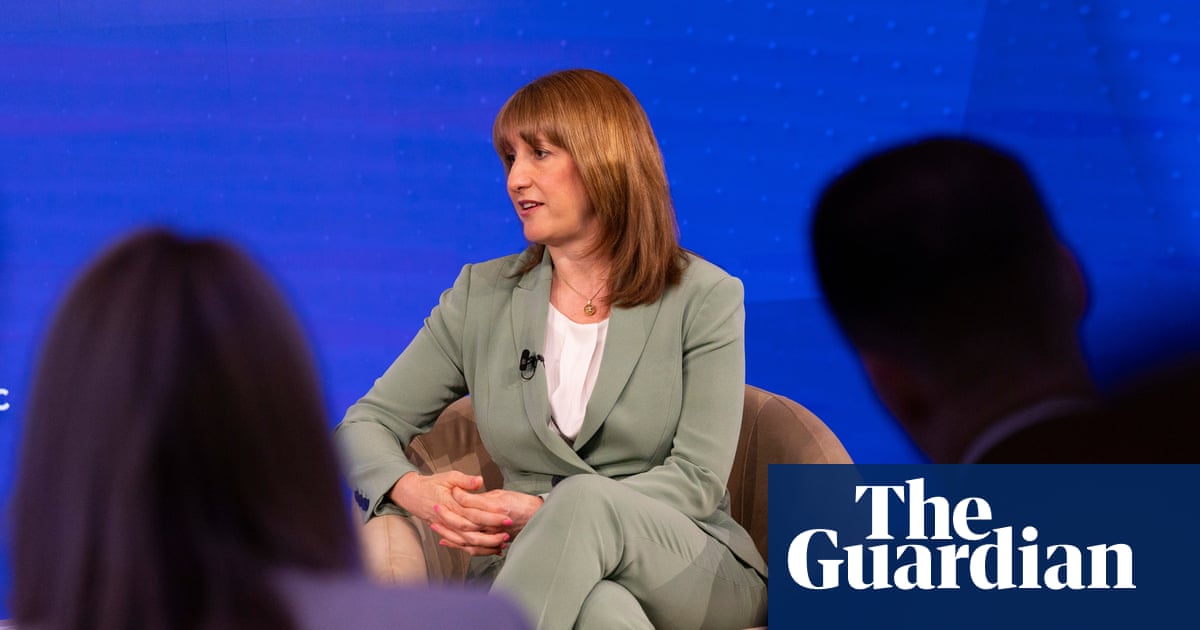
Rachel Reeves warned that Donald Trump’s war on Iran is a mistake that is already hurting living standards, pushing up energy risk and threatening global growth. The IMF said further escalation could trigger a global recession and added that government debt could rise to the highest level since WWII, while Reeves and 10 finance ministers called for de-escalation and safe passage through the Strait of Hormuz. The article points to higher inflation, weaker growth, and elevated market volatility if the conflict widens.
The immediate market effect is not the diplomatic headline itself but the re-pricing of energy risk premia. When policymakers start talking about shipping lanes and de-escalation in the same breath, it usually means insurers, freight rates, and prompt crude spreads can move faster than headline spot prices; that typically feeds through to European gas and power first, then into inflation breakevens and rate expectations. The UK is especially exposed because a higher imported-energy bill acts like a tax on real incomes just as fiscal space is already tight, so the second-order loser is domestic cyclicals with energy-intensive cost bases. The more interesting loser set is duration-sensitive assets in Europe and the UK, where a sustained oil/gas impulse can keep central banks less comfortable easing even if growth softens. That is a poor mix for small-cap financials, housing-related names, and consumer discretionary, while integrated energy, LNG infrastructure, and shipping/insurance beneficiaries should see relative support if the conflict keeps Gulf transit risk elevated for weeks rather than days. A widening transatlantic policy split also raises the odds of choppier trade policy rhetoric, which is negative for import-heavy industrials and positive for firms with pricing power and regional supply chains. The key catalyst window is 1-4 weeks: if the Strait of Hormuz remains open and rhetoric cools, the risk premium can unwind quickly, especially in front-month energy contracts and volatility. If there is any evidence of tanker delays, sanctions escalation, or retaliatory strikes, the move becomes a months-long macro shock rather than a headline event, with the UK and Europe likely underperforming US equities on growth fears and currency weakness. The market may be underestimating how much of the inflation impulse arrives through transport, insurance, and inventory financing rather than just crude itself.
AI-powered research, real-time alerts, and portfolio analytics for institutional investors.
Request a DemoOverall Sentiment
strongly negative
Sentiment Score
-0.62
