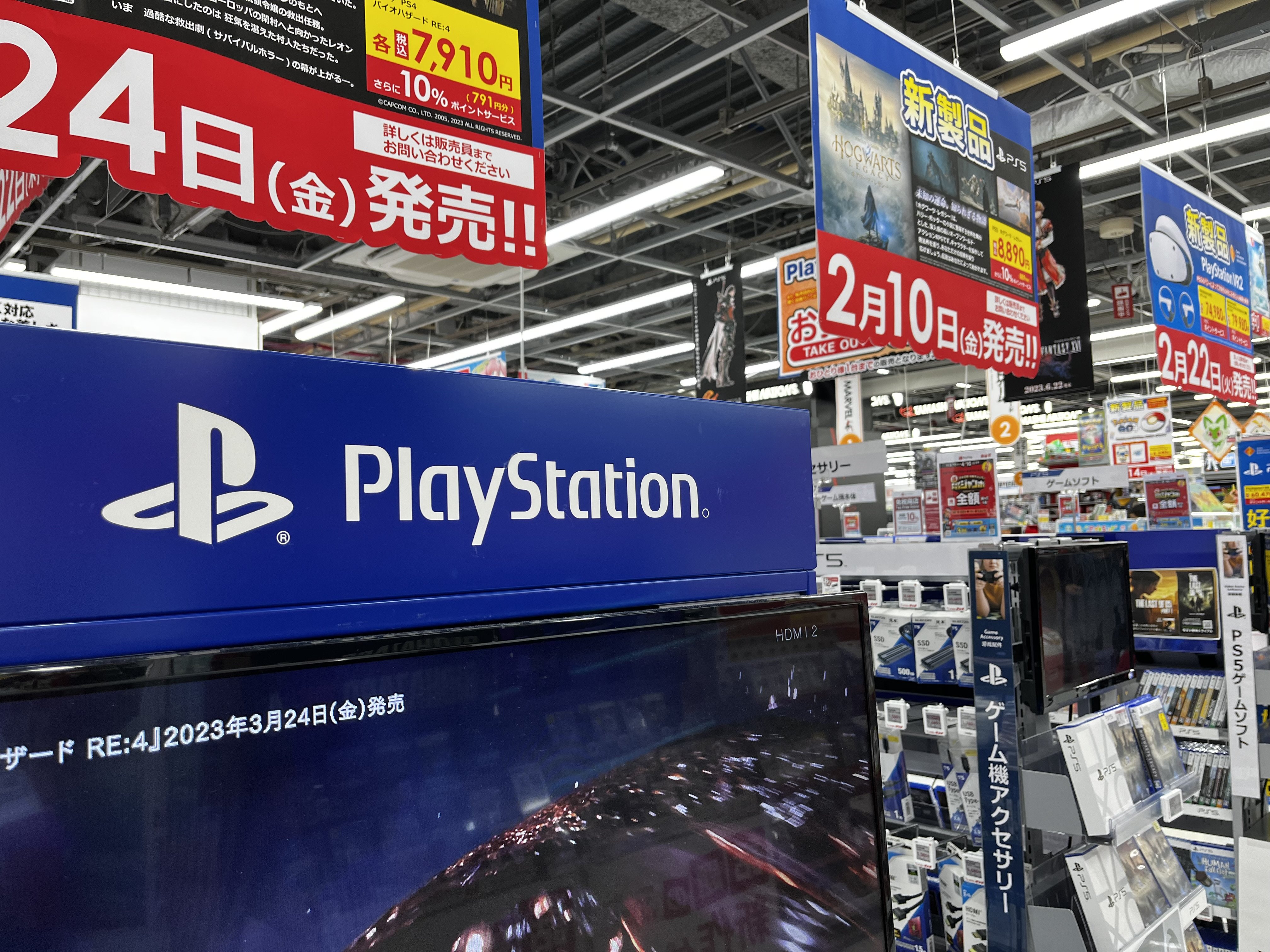
US PlayStation 5 hardware sales hit 2026 highs in the week ending April 4 as consumers rushed to buy before Sony's $100+ price increases took effect, with the PS5 Pro now priced at $900 after a $150 hike. US video game hardware spending nearly doubled versus the same week a year ago, highlighting demand pulled forward by pricing changes. The article also notes the cheapest PS5 Digital Edition has risen 50% to $200 since launch, underscoring broader affordability pressure in console gaming.
The immediate signal is not just a one-week pull-forward in console demand; it is evidence that the installed base is becoming more price-inelastic and more concentrated among higher-income buyers. That matters because console ecosystems monetize over years through software, subscriptions, and in-game spending, so a higher upfront hardware price can be partially offset if Sony succeeds in converting a wealthier cohort with higher lifetime value. The near-term winner is SONY's hardware margin optics and channel inventory digestion, but the longer-term risk is a smaller top-of-funnel, which could cap software attach rates and normalize the platform at a slower unit trajectory than prior cycles. The second-order loser is the mid-tier of the gaming market, where affordability friction pushes activity toward free-to-play and mobile ecosystems. That is structurally supportive for RBLX and, more broadly, for live-service content models that monetize engagement rather than hardware ownership. MSFT is more exposed on the content side than the hardware side: weaker console affordability can reduce incremental Xbox ecosystem penetration, but it may also reinforce the strategic logic of subscription and cloud distribution, where the bottleneck is access rather than device purchase. The contrarian read is that this may be less bullish for SONY than the headline suggests. A price hike-induced sales spike is usually a demand-shift event, not a demand-creation event, and the real test is whether sell-through normalizes sharply over the next 4-8 weeks once the pre-buying effect fades. If unit demand rolls over while prices stay elevated, the market may start discounting lower cumulative hardware volumes and a more premium, narrower console market; that is a mixed outcome for a company still relying on scale to support its ecosystem economics.
AI-powered research, real-time alerts, and portfolio analytics for institutional investors.
Overall Sentiment
neutral
Sentiment Score
0.10
Ticker Sentiment
