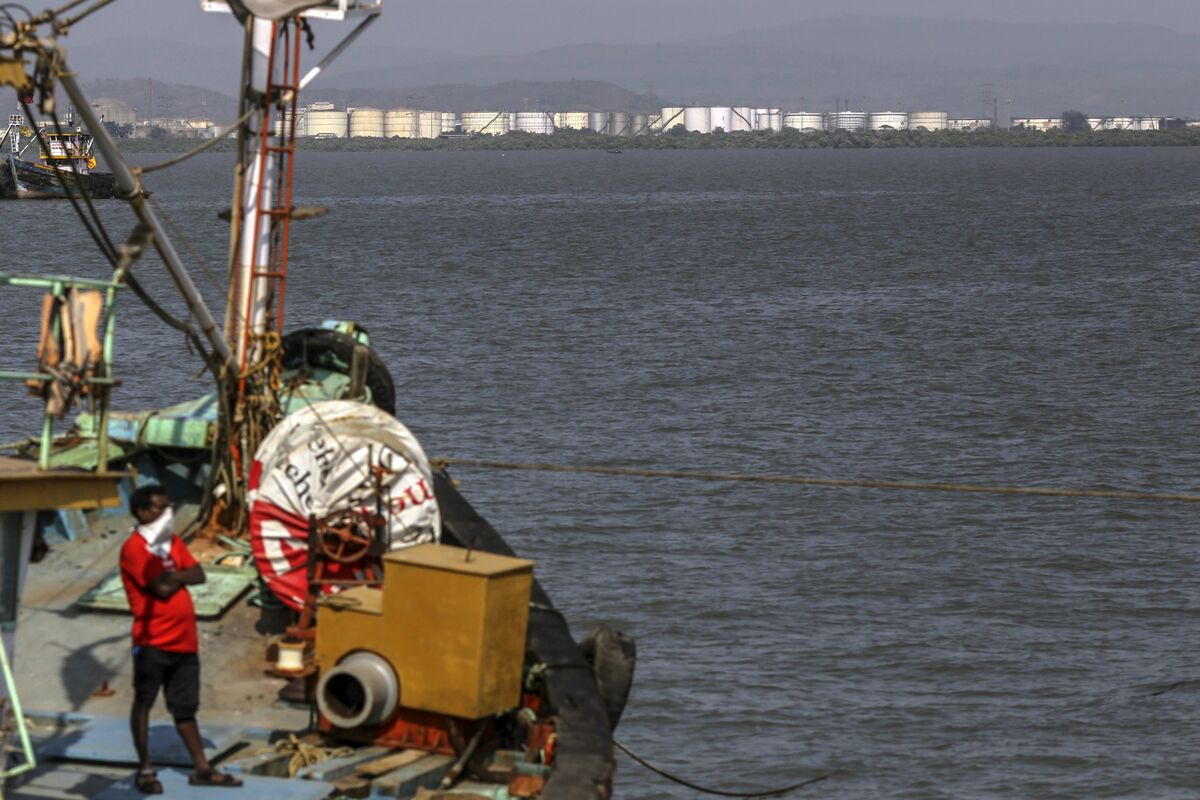
Around 4 million barrels of Iranian crude have arrived in India, the first such imports in seven years, as New Delhi rushes to take delivery before a US waiver expires at the weekend. The cargo is being discharged by the Jaya at Paradip this week, highlighting continued sensitivity around sanctions and oil trade flows. The event is meaningful for energy and shipping markets, but the near-term impact is more sector-specific than market-wide.
This is less a one-off cargo story than a signal that sanctions leakage is becoming operationally normal, which matters because the market tends to underprice “administrative” supply until it becomes repeatable. The first-order effect is modest incremental crude availability in India, but the second-order effect is more important: every successful pre-deadline delivery strengthens the template for discounted, paperwork-heavy flows that can persist even after formal restrictions tighten. That keeps a soft ceiling on Asia-bound crude differentials and reduces the odds of a durable squeeze in medium sour grades. The biggest loser is not necessarily global oil outright; it is the margin pool for compliant refiners and intermediaries who rely on cleaner supply chains. Indian refiners with the flexibility to process discounted barrels gain feedstock optionality, while less nimble competitors in Northeast Asia may face wider basis risk if sanctioned barrels continue to displace mainstream cargoes in the region. Shipping and insurance frictions are the real transmission channel: if enforcement intensifies, the cost of moving “grey” barrels rises abruptly, which can create localized dislocations in tanker rates and prompt a short-term spike in replacement demand for legitimate cargoes. The timing risk is in days, but the pricing implication is months. If waiver enforcement is tightened without a meaningful physical disruption, the market may briefly read it as bearish because the headline flow is already in motion; if instead the policy response triggers broader scrutiny of counterparties, the more durable effect is higher compliance costs and a wider discount for sanctioned-origin crude. The contrarian view is that this is not a bullish oil supply shock; it is a signal that geopolitical barrels are still finding their way into Asia, meaning the market’s fear premium on Middle East supply may be too large relative to actual enforceable constraints. For trade construction, the cleanest expression is to favor refiners with flexible crude slates over pure upstream beta: long a low-cost, complex refiner basket versus a crude-beta basket if sanctions leakage persists. Near term, use Brent downside via puts or put spreads only if enforcement headlines become aggressive, because the immediate physical impact is limited; otherwise, the trade risk is that the market simply re-routes barrels and sells off the headline. The best asymmetry is in tanker/compliance names: if the waiver expiry catalyzes stricter monitoring, short-term volatility in shipping costs could benefit names with high spot exposure, but only as a tactical, event-driven trade.
AI-powered research, real-time alerts, and portfolio analytics for institutional investors.
Request a DemoOverall Sentiment
neutral
Sentiment Score
-0.05
