

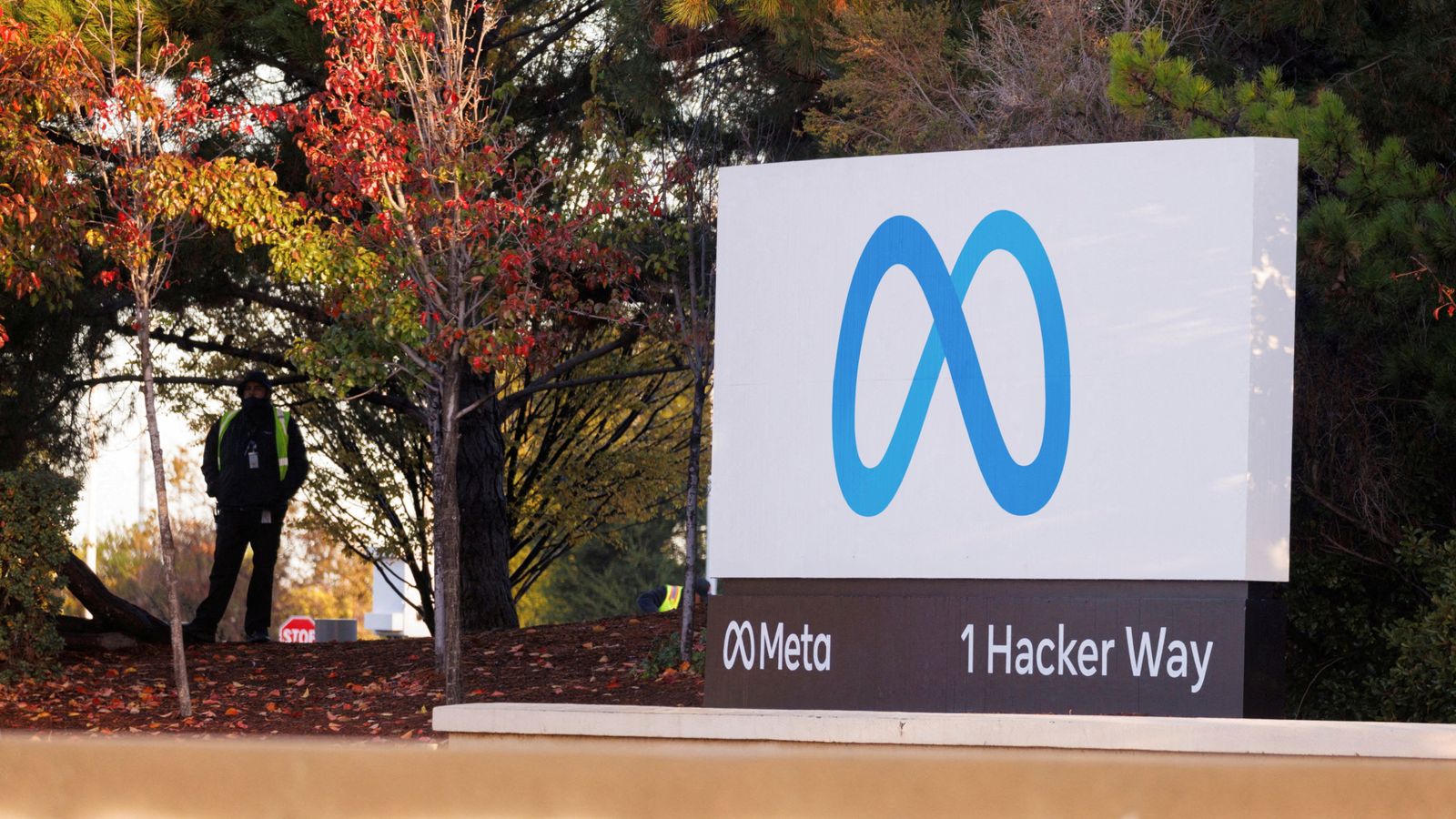
Meta agreed to pay up to $16.68bn (£12.26bn) to dozens of US states to settle claims that its social media platforms harmed children, even while denying wrongdoing. The settlement caps allegations from a landmark trial—described as the biggest of its kind—focused on features allegedly designed to keep children addicted. The event raises regulatory and litigation risk for the sector, which is likely to keep investors cautious.
The near-term read is not “cash hit,” it is “overhang repricing.” A multibillion-dollar settlement removes one tail risk, but it also validates the thesis that Meta’s core product architecture is now a recurring liability, which tends to keep the multiple capped even when the legal bill is digestible. The bigger economic issue is not the check itself; it is the probability of ongoing product changes, compliance overhead, and softer engagement from any redesign that makes the feed less sticky.
Second-order, this increases the odds that advertisers keep diversifying budget across platforms with lower headline risk. GOOGL is the natural relative beneficiary because it has a broader intent-based ad stack and less dependence on social engagement loops, but the uplift is limited: YouTube Shorts and AI-driven recommendations are not immune to the same policy cycle. So this is more about META losing the right to trade as a pure growth compounder than about a clean winner-take-all transfer.
The contrarian risk is that the market may overestimate the structural damage in the first few days. If management can show that incremental safety spend is modest and ad load/engagement are stable, the settlement becomes a one-time reset rather than a margin inflection. Falsifier: a clean next-quarter print with no deterioration in time spent, ad impressions, or forward guidance on regulatory expense; if that happens, the legal discount can compress quickly over 1-3 months rather than 6-18 months.
AI-powered research, real-time alerts, and portfolio analytics for institutional investors.
Overall Sentiment
moderately negative
Sentiment Score
-0.45
Ticker Sentiment
