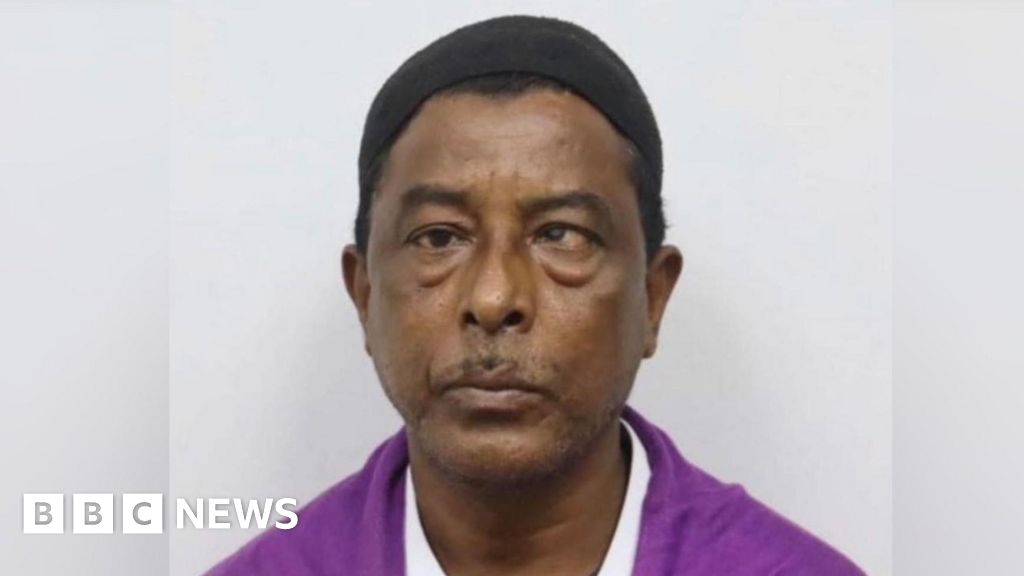
Nurul Amin Shah Alam, a 56-year-old nearly-blind, non-English-speaking Rohingya refugee from Myanmar, was found dead on Feb. 24 roughly 6 miles from a Tim Hortons in Buffalo after U.S. Customs and Border Protection reportedly dropped him off at the closed coffee shop on Feb. 19; weather that night was near freezing (≈36°F/2.2°C). CBP says he accepted a courtesy ride and was assessed as showing no signs of distress; local officials, the Buffalo mayor and New York Attorney General have called for investigations and a legal review, and the family says it was not notified — creating reputational, regulatory and potential litigation risk for DHS/CBP/ICE.
Market structure: This incident has negligible direct market impact but creates asymmetric risk for firms tied to immigration enforcement and detention (private prisons, local governments, municipal insurers) and modest upside for legal/litigation services and government-tech vendors focused on oversight/modernization. Expect idiosyncratic moves rather than sector-wide repricing; pricing power shifts are likely concentrated in small-cap contractors (CoreCivic CXW, GEO Group GEO) and municipal credit in affected locales (Buffalo-area munis). Cross-asset effects will be limited to localized muni credit spreads widening by 5–25bp if investigations imply material settlements; FX, commodities, Treasuries should be immaterial barring broader political escalation. Risk assessment: Tail risks include AG/DOJ civil suits or Inspector General probes that force contract pauses or settlement payouts (single-city suits could range $5–100m; systemic federal changes could reallocate 1–3% of DHS discretionary spending). Immediate (days): reputational headlines and local muni flows; short-term (weeks–months): filings, hearings, potential municipal credit pressure; long-term (quarters–years): policy or procurement shifts toward oversight tech and away from detention outsourcing. Hidden dependencies: election cycle rhetoric can amplify funding changes and media attention, accelerating budget reallocation or contract renewal delays. Trade implications: Direct tactical plays favor small, asymmetric positions: short private-prison operators (CXW, GEO) via 3-month puts sized 1–2% portfolio risk; hedge with long, 9–12 month call spreads on government-tech/analytics primes (BAH, LDOS, PLTR) sized 1% to capture potential increased oversight/modernization spending. Reduce concentrated exposure to Buffalo/upstate NY muni paper by trimming >3% positions and reallocate into diversified national muni ETF (MUB) to limit event-specific settlement risk. Use options to size conviction: buy 10% OTM puts on CXW (expiry 90 days) and sell covered calls on a 6–12 month BAH position to finance cost. Contrarian angles: Consensus will underprice the concentration risk in local muni credit and overfocus on headline politics; history (2014–2019) shows private-prison stocks trade off on policy scares but recover if funding is maintained—so keep shorts small and time-limited. The bigger mispricing is in muni bonds tied to municipalities with ongoing litigation risk—these could widen an extra 10–30bp if AG sues; that is actionable and tradable with muni ETFs and credit-default hedges. Key unintended consequence: if probes spur Congress to increase oversight budgets, tech contractors may outperform faster than markets expect, so maintain balanced, hedged exposures.
AI-powered research, real-time alerts, and portfolio analytics for institutional investors.
Request a DemoOverall Sentiment
moderately negative
Sentiment Score
-0.50
