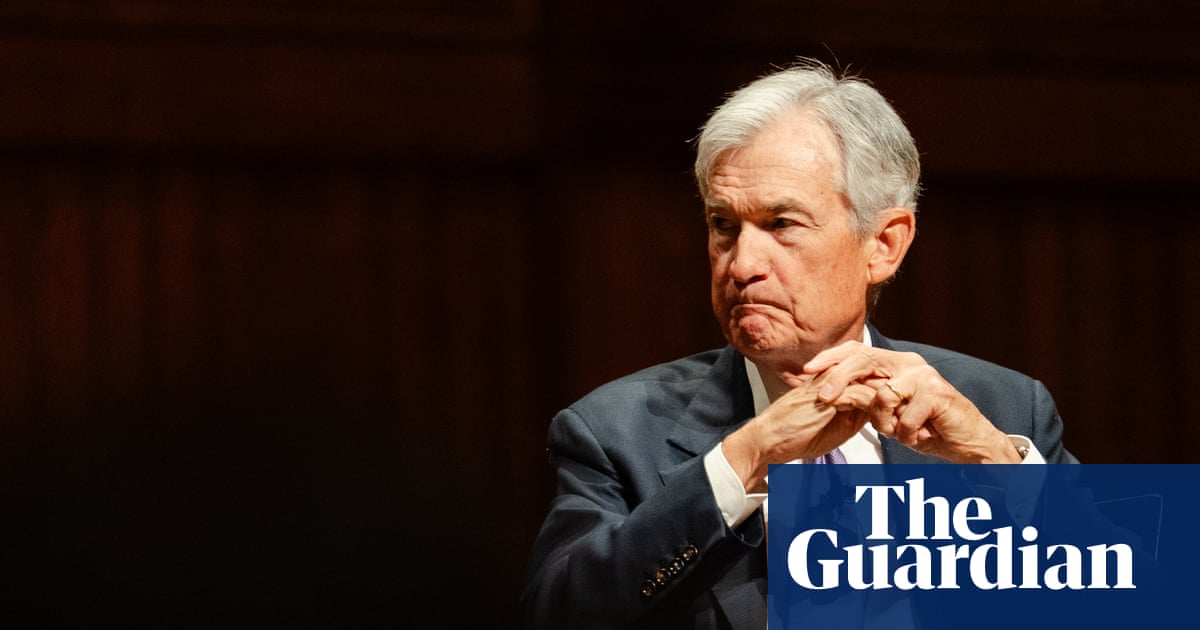
Trump said he would fire Fed Chair Jerome Powell if Powell remains past his 15 May term end, while continuing to pressure the Fed to cut rates. The article highlights a criminal investigation into Fed headquarters renovations, Senate uncertainty around Kevin Warsh’s nomination, and possible Supreme Court limits on presidential removal power. The developments increase policy uncertainty around the Fed and could affect rate expectations and market pricing.
The market is underpricing the distinction between headline volatility and actual policy control. Even if the political noise around the Fed intensifies, the binding constraint is institutional: Senate math, committee procedure, and ultimately the courts. That means the near-term trading impact is less about an immediate policy pivot and more about a slow erosion of confidence in the rate path, which tends to steepen the front end only if investors start pricing a higher probability of policy error rather than faster easing. The second-order effect is a tightening of financial conditions through uncertainty, not through realized hikes. Banks, homebuilders, and small caps are the cleanest transmission channels because they depend most on stable discount rates and policy credibility; the longer this drags, the more capital allocation decisions get deferred. That creates a paradoxical setup where equity multiples can compress even if the next move in the policy rate is lower, because markets hate a central bank whose leadership is seen as contingent on political loyalty. The key contrarian point is that the threat may be more destabilizing for duration-sensitive assets than for the Fed itself. A forced-chair narrative could steepen the curve if investors think future cuts are being delivered for political reasons, but it could also lift term premium across the curve if independence is impaired. In that regime, the market’s instinct to buy long-duration growth on expected easing may be wrong; the more durable beneficiary is likely breakeven inflation and barbell value/quality, not levered rate-sensitive cyclicals. Catalyst-wise, the next 1-3 weeks matter most: the hearing, Senate resistance, and any court signaling on removal authority. Over 1-3 months, watch whether the rhetoric bleeds into actual changes in OIS pricing; if it doesn’t, the story fades into background noise. If it does, the move could become self-reinforcing via a higher term premium and weaker confidence in policy continuity.
AI-powered research, real-time alerts, and portfolio analytics for institutional investors.
Request a DemoOverall Sentiment
mildly negative
Sentiment Score
-0.35
