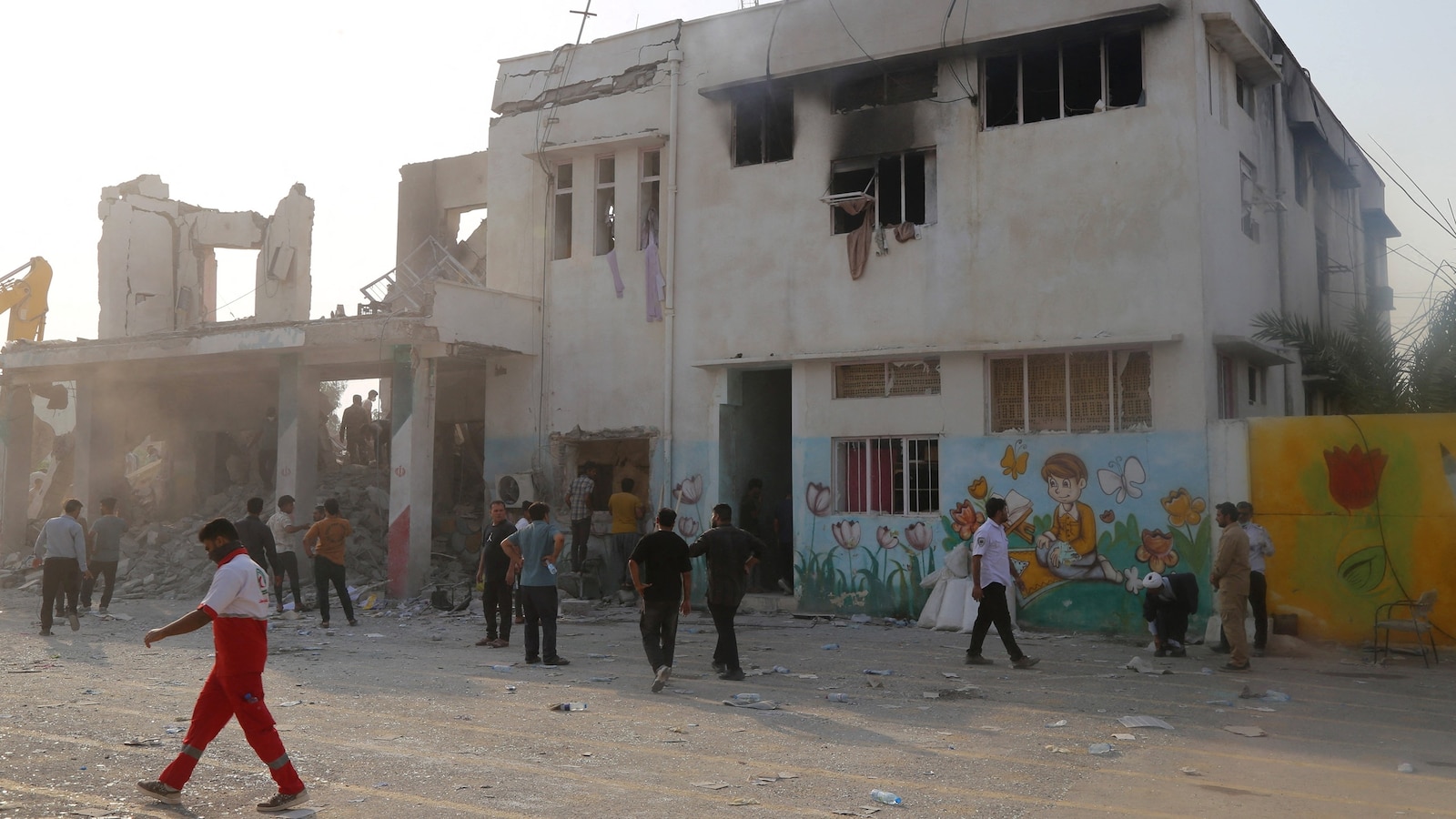
Iranian officials say U.S. and Israeli strikes struck Shajare Tayyiba Elementary School in Minab, reporting 115 dead and earlier citing at least 92 injured, though Tehran has not specified how many casualties were children. Iran's president and foreign minister condemned the attack while U.S. Central Command says it is investigating and denies intentionally targeting civilians; the incident elevates regional geopolitical risk and could put upward pressure on risk premia and energy- and emerging-market assets if tensions escalate.
MARKET STRUCTURE: Escalation in Iran-focused strikes structurally favors defense contractors, energy producers and safe-haven assets while hurting regional tourism, airlines and EM credit. Expect re-rating: defense backlog visibility lifts pricing power over 6–24 months (potential +10–30% equity re-rating if budgets increase), energy sees immediate supply-risk premium (Brent +$5–$20 scenarios). Cross-assets: near-term risk-off = USD and Treasuries bid (US10yr down ~10–30bps), gold and oil up, EM FX and sovereign spreads widen. RISK ASSESSMENT: Tail risks include Strait-of-Hormuz disruptions (low-probability, oil +$20 in days), wider regional war, or cyber attacks on Western infrastructure triggering broader risk-off and sanctions on insurers/shippers. Time horizons: immediate (days) = volatility spikes; short (weeks–months) = commodity/defense repricing; long (12–24 months) = potential structural defense budget increases and higher fiscal deficits. Hidden dependencies: OPEC spare capacity, Chinese diplomatic response, and insurance market reaction that can amplify shipping costs. TRADE IMPLICATIONS: Tactical plays should overweight defense and hedges while protecting growth cyclicals: favor select long positions in LMT/RTX and energy majors on confirmed oil moves; hedge with gold, USD and short airline exposure. Use options to control drawdown: buy call spreads on energy/defense or short-dated VIX calls for volatility spikes. Entry/exit should be signal-driven (Brent thresholds, VIX moves, casualty confirmation) with tight stops to avoid repricing if escalation fades. CONTRARIAN ANGLES: Consensus may overpay for permanent escalation; historical analogues (2019 Iran incidents) show oil and risk premiums can mean-revert in 2–3 months absent supply cuts. Be ready to trim defense longs if they rally >12% in 2 weeks and redeploy into cyclical recovery trades. Unintended consequence: durable higher defense spending could steepen long-end yields over 12–24 months, so manage duration exposure accordingly.
AI-powered research, real-time alerts, and portfolio analytics for institutional investors.
Request a DemoOverall Sentiment
strongly negative
Sentiment Score
-0.60
