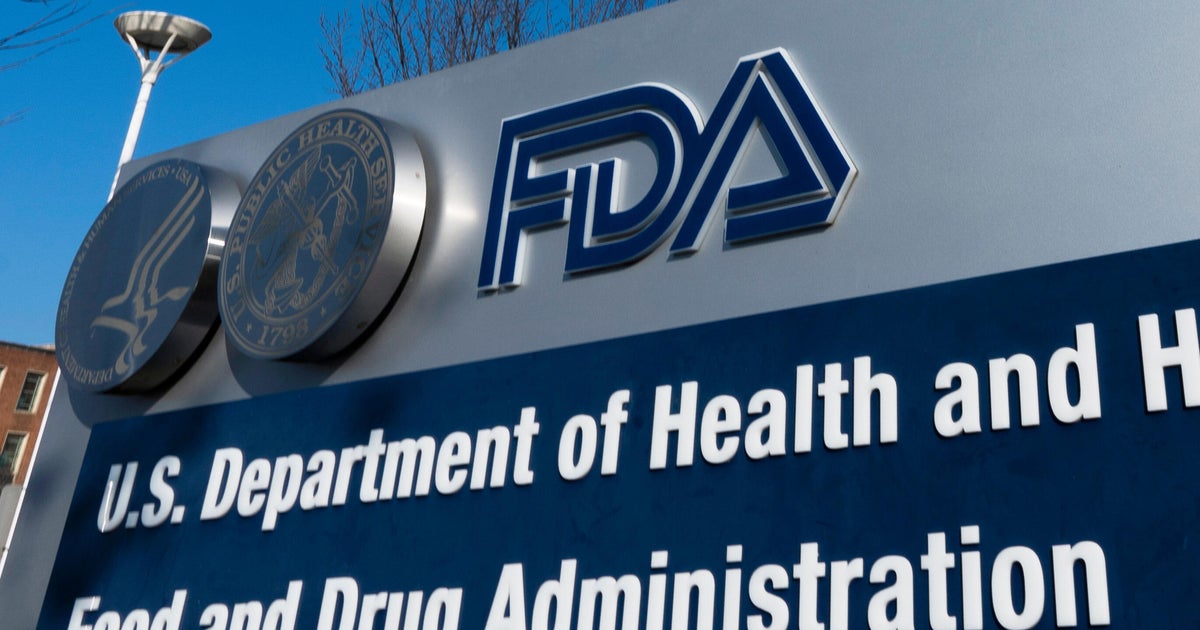
The FDA plans to review seven peptide injections in July and may ease restrictions on substances currently treated as high-risk, unapproved drugs. The move could broaden access for compounding pharmacies and wellness-related peptide products, but it raises safety concerns because most peptides have limited human testing and no FDA approval. The decision is politically sensitive, following repeated pressure from Health Secretary Robert F. Kennedy Jr. and allies of the MAHA movement.
This is less a single headline than a regulatory regime shift that could expand a gray-market category into a quasi-legitimate distribution channel. The first-order beneficiaries are compounding pharmacies, outsourced drug developers, and ancillary testing/dispensing infrastructure; the second-order winners are firms that can wrap peptides in higher-trust, branded, physician-supervised workflows. The key margin dynamic is that once a low-friction compounding path exists, demand migrates away from clinical-trial-backed branded drugs toward cheaper, faster-access alternatives, even if efficacy is unproven. The biggest loser set is the current moat around approved therapeutics: if the FDA normalizes easier access to injectable peptides, it weakens the economic premium for companies financing lengthy safety programs. That said, the market may be underestimating how much of the demand is already speculative and style-driven rather than medical, which means volume could surge quickly but also be highly referral- and social-media-sensitive. Expect a large spread between companies with clean compliance and those exposed to enforcement risk or imported API sourcing. Catalyst timing matters: the next 1-3 months are primarily a sentiment and positioning trade, while the real operational impact lands over 6-12 months if rulemaking actually changes compounding economics. The main reversal risk is political: FDA staff turnover, advisory-panel composition, or negative media on adverse events could force a slower process or narrower list than advocates want. A more subtle tail risk is product liability—an adverse event cluster would likely hit the whole category, not just the specific peptide involved, and could trigger a rapid return to stricter enforcement. The contrarian view is that the market may be too focused on legalization and not enough on distribution quality. If the end state is lower barriers but still significant doctor oversight, the pure-play wellness winners may disappoint while regulated platforms and pharmacies with testing/traceability gain share. The real trade is therefore not "peptides up," but "trusted channels up, fringe sellers down."
AI-powered research, real-time alerts, and portfolio analytics for institutional investors.
Request a DemoOverall Sentiment
mildly negative
Sentiment Score
-0.10
