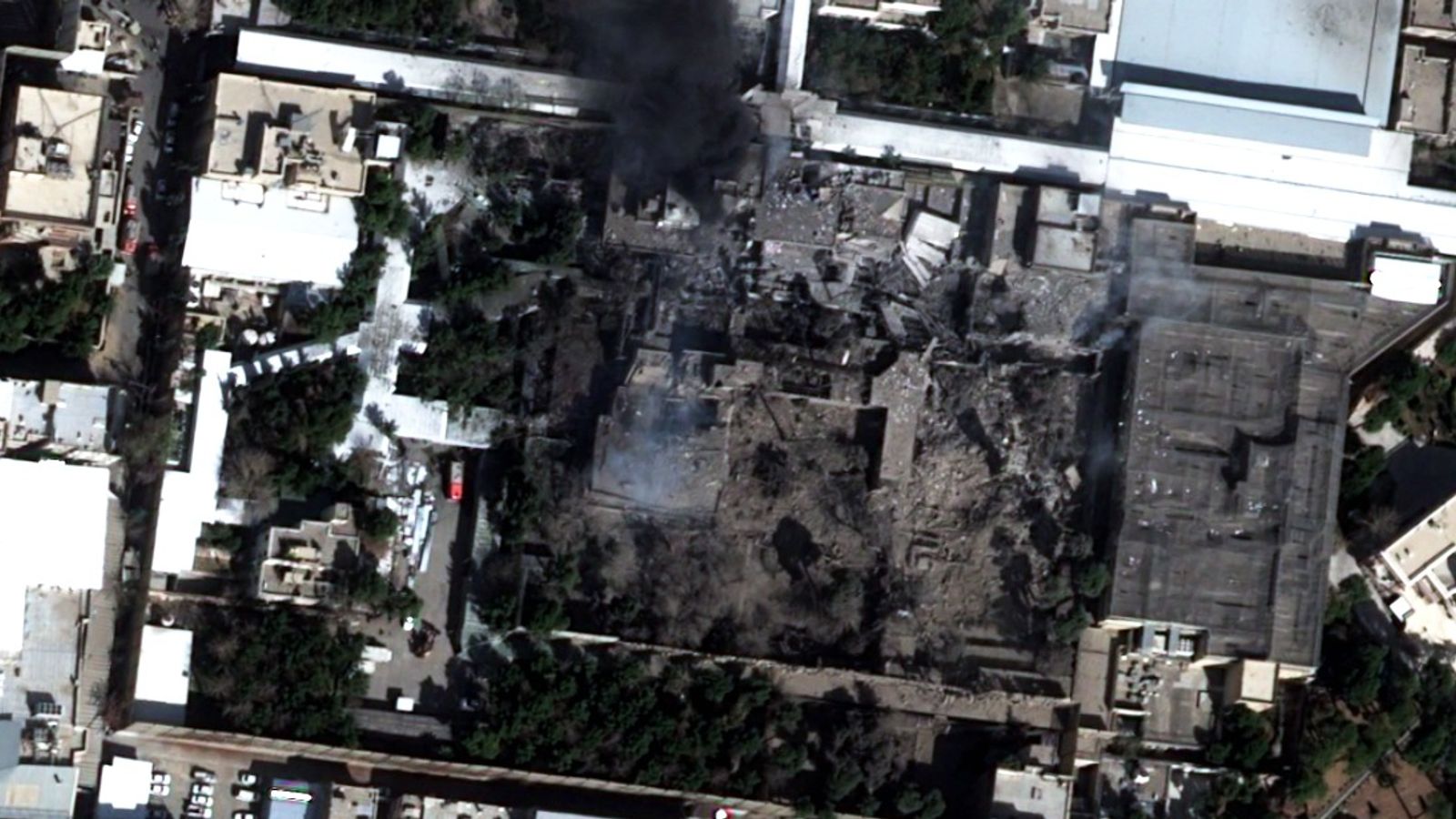
Joint US-Israel strikes reportedly hit multiple Iranian sites including Tehran, Isfahan, Tabriz, Kermanshah and Qom, and targets tied to Iran’s leadership and atomic agency; regime-run media report a separate strike in Minab killed more than 50 students and injured 60. Iran retaliated with missiles reportedly striking four US bases across the region (Al Udeid in Qatar, Al Salem in Kuwait, Al Dhafra in the UAE and the US Fifth Fleet base in Bahrain), with additional casualties reported in the UAE and Syria and no US casualties reported by US officials. The escalation — underscored by a US political leader’s public confirmation of “major combat operations” — raises immediate downside risk for regional stability, oil supply and risk assets, and supports potential safe-haven flows and sectoral upside for defense contractors while increasing near-term volatility.
Market structure: Immediate winners are defense primes (Lockheed LMT, Northrop NOC, RTX RTX, General Dynamics GD), energy producers (XOM, CVX, XLE) and traditional safe havens (GLD, TLT, UUP) as risk-off + oil-supply premium reprices. Losers include commercial airlines (AAL, UAL), EM beta (EEM, local-currency sovereign debt) and tourism-linked consumer names given travel disruption; expect options implied vol to jump 40–100% in affected sectors within 48–72 hours. Risk assessment: Tail risk scenarios include (A) closure/harassment of Strait of Hormuz producing a >30% Brent spike within 1–3 weeks, (B) broader regional war triggering US mobilization and sanctions cycles, or (C) cyberattacks on Gulf energy infrastructure. Near-term (days) expect sharp volatility; medium (weeks–months) trajectory depends on shipping/SPR actions; long-term (quarters) could embed higher defense budgets and supply-chain onshoring. Trade implications: Tactical trades should hedge volatility and capture re-rating: buy defense equities and energy exposure on pullbacks, but size positions conservatively (1–3% per name) and use option structures to limit drawdowns. Short high-beta EM/airline exposure or buy puts; use short-dated VIX and oil call spreads to monetize mean reversion if a rapid de-escalation occurs. Set objective exits: take profits on >15% defense rally or if Brent >$100 for 2 trading days. Contrarian angles: Consensus may overpay for permanent oil disruption — historical analogues (2019–2020 Gulf incidents) saw spikes fade in 4–8 weeks as non-West buyers and SPR releases capped upside. Defense stock rallies can be crowded and volatility-sensitive; consider selling short-dated call spreads into >20% rallies and watch China/India buying which could mute sanctions impact and cap commodity moves.
AI-powered research, real-time alerts, and portfolio analytics for institutional investors.
Request a DemoOverall Sentiment
strongly negative
Sentiment Score
-0.72
