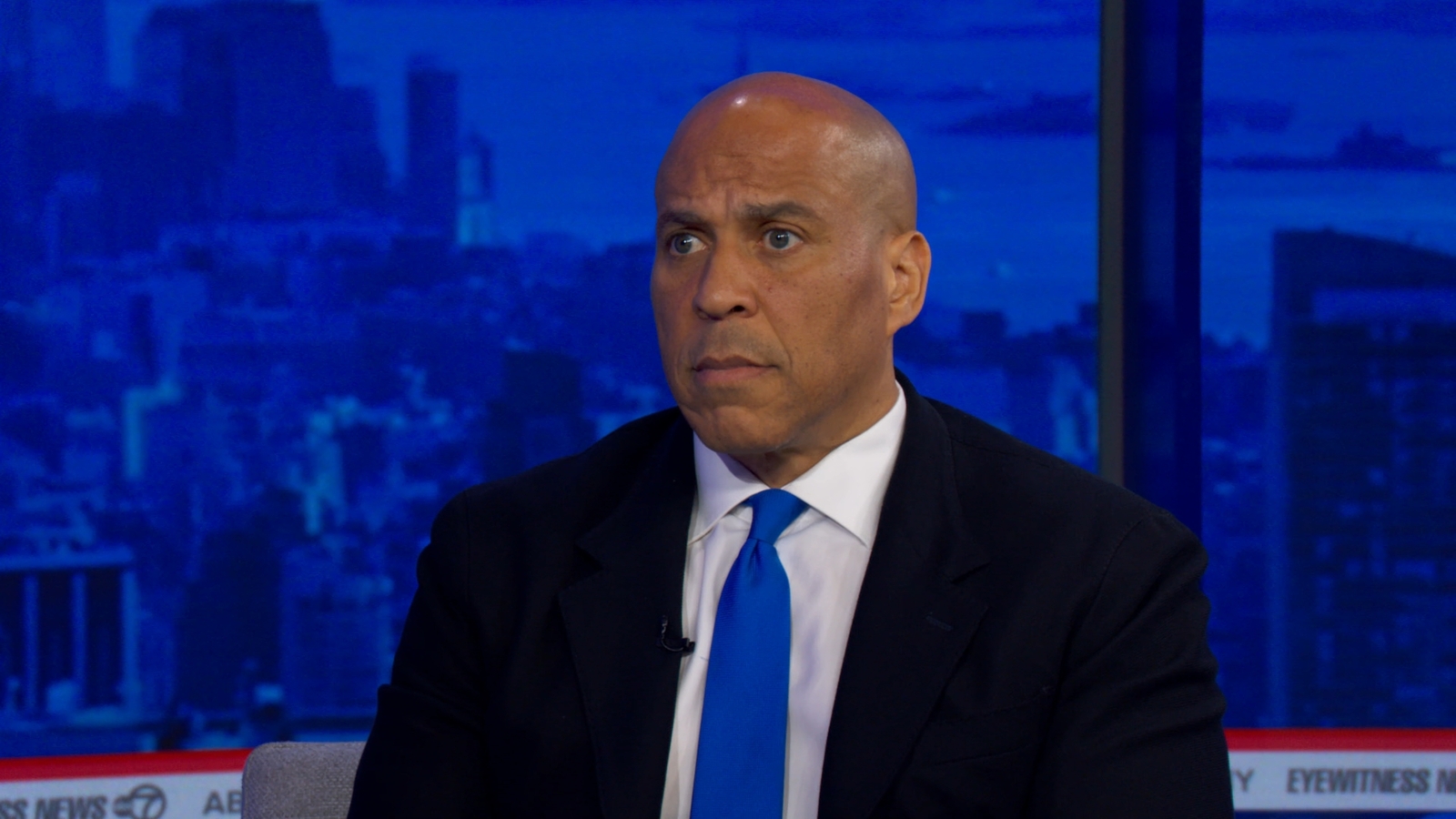
Sen. Cory Booker criticized poor conditions at the Delaney Hall ICE detention facility, citing allegations of hunger strike participation, maggot-infested food, and only Tylenol being provided as medication. He also discussed the war in Iran, taxing the rich, and called for a new New Deal, but the piece is primarily a political/interview segment with limited direct market relevance.
This is not a direct market event, but it is a policy-temperature signal: immigration detention conditions are becoming a reputational and legal pressure point that can quickly migrate from local controversy to federal procurement, staffing, and budget risk. The first-order impact is modest, but the second-order effect is a broader tightening of the political window for any detention-capacity expansion, which is unfavorable for private prison operators, facility contractors, and vendors exposed to ICE-related utilization. The more interesting tradeable angle is duration of scrutiny. If the story sustains for weeks, expect higher odds of hearings, injunctions, and contract reviews rather than immediate legislative action. That creates a lagged earnings risk for operators with heavy government-revenue concentration: even a small change in occupancy assumptions, medical-service costs, or legal reserves can compress EBITDA multiples because these names trade on perceived predictability more than absolute growth. On the fiscal side, the ‘tax the rich’ and ‘new New Deal’ framing reinforces a leftward fiscal narrative that could matter into the election cycle if it helps normalize higher corporate taxes, stronger labor rules, and more public spending. The market’s current complacency likely underestimates how quickly rhetoric can become budget proposals, especially if geopolitical stress keeps the fiscal backdrop loose and increases tolerance for redistribution. That makes the downside asymmetric for sectors with elevated effective tax rates or heavy policy beta, while defensives tied to domestic public spending may see relative support. Contrarian view: the headline may be more noise than catalyst unless it becomes a bipartisan oversight issue. In the near term, the better signal is whether lawmakers escalate from commentary to subpoenas or appropriations pressure; absent that, the move in related stocks should fade. But if conditions trigger a broader ICE capacity debate, the market could start pricing a multi-quarter drag on detention utilization and vendor revenue visibility.
AI-powered research, real-time alerts, and portfolio analytics for institutional investors.
Request a DemoOverall Sentiment
mildly negative
Sentiment Score
-0.15
