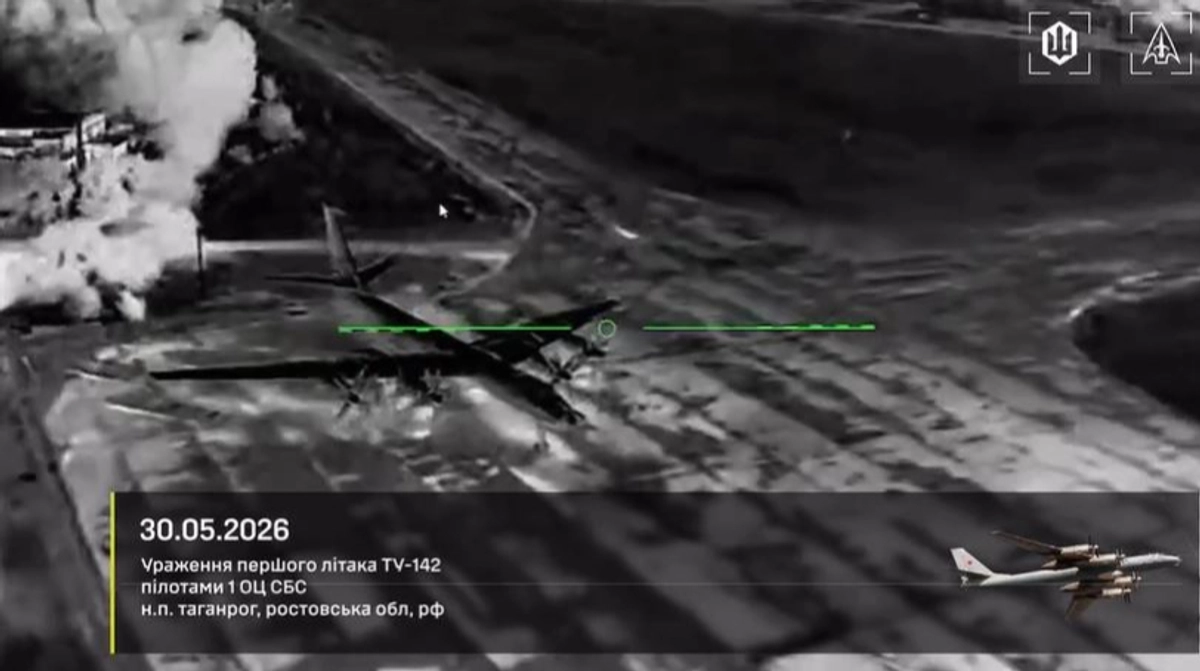
Ukrainian forces said they destroyed one Iskander launcher vehicle and two Tu-142 military aircraft in Taganrog overnight on 29-30 May. The attack also followed drone strikes on port infrastructure in Russia's Rostov Oblast, where a tanker and fuel storage tank caught fire, with an oil depot in Krasnodar Krai also hit. The event underscores escalating cross-border military activity and raises near-term geopolitical risk.
This is less about the individual hardware losses and more about a deteriorating rear-area air defense and strike logistics problem for Russia. Repeated drone penetration into a military airfield and adjacent fuel infrastructure implies the cost curve is shifting in Ukraine’s favor: cheap, expendable systems are forcing Russia to disperse, harden, and patrol assets that were previously assumed safe, which raises operating friction across aviation and missile units. The second-order effect is not just attrition of platforms, but reduced sortie reliability, higher insurance/repair burden, and a growing need to re-route scarce air defense away from front-line formations. The biggest near-term implication is operational tempo, not strategic balance. If Ukraine can keep forcing point-defense saturation in southern Russia over the next 2-8 weeks, Russia will have to devote more launchers, crews, and fuel handling protection to the rear, lowering the efficiency of its missile campaign and potentially increasing missile launch latency. That can create windows for Ukrainian counteroffensives and also raise the probability of follow-on hits on energy/logistics nodes, which would matter more for regional supply chains than the destroyed platforms themselves. The contrarian read is that markets may underreact because the direct listed impact is non-existent, but the real tradeable channel is escalation risk into Russian energy and transport nodes. The move is only durable if Ukraine demonstrates repeatability; absent that, this is a tactical headline with a short half-life. Watch for Russian retaliation against Ukrainian infrastructure or a policy shift to deeper homeland air defense mobilization, either of which would cap the signaling value within days to a few weeks.
AI-powered research, real-time alerts, and portfolio analytics for institutional investors.
Request a DemoOverall Sentiment
moderately negative
Sentiment Score
-0.35
