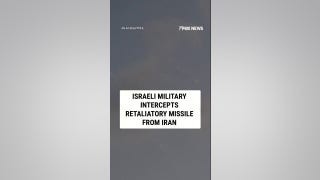
Iran launched coordinated missile and drone strikes against U.S. military facilities across the Middle East — including Bahrain, Qatar (Al Udeid), the UAE (Al Dhafra), Kuwait and Jordan — in retaliation for earlier U.S.-Israeli strikes on Iranian military and nuclear-linked sites. Regional air defenses reportedly intercepted many projectiles; one civilian fatality from falling debris in the UAE has been reported and no U.S. service-member casualties have been publicly confirmed. U.S. forces used Tomahawk cruise missiles and one-way attack drones in the initial strikes and described suppression of Iranian air defenses; officials warn the campaign could continue for days, raising near-term risks to regional stability, energy markets and risk assets.
Market structure: Immediate winners are defense contractors (Lockheed Martin LMT, RTX, Northrop NOC) and energy producers (Exxon XOM, Chevron CVX) as risk premia bid into weapons and oil; losers are regional carriers, Gulf tourism/real‑estate and EM credits (Bahrain/Kuwait sovereigns). Pricing power shifts short‑term to oil exporters and munitions suppliers; insurers, freight and aviation face higher operating costs that compress margins by an outsized 3–8% over the next quarter if disruptions persist. Risk assessment: Tail risks include a broader regional war driving Brent >$120/bbl (low probability, high impact) or a U.S. casualty that forces durable escalation; trigger thresholds to watch: sustained Brent >$90 for two weeks or Gulf shipping insurance >+200% from baseline. Time horizons: days—volatility spike and safe‑haven flows; weeks–months—energy and defense repricing; 12–36 months—structural higher defense budgets and elevated premiums for Middle East exposure. Trade implications: Expect cross‑asset moves: USD and gold up, UST yields lower (short‑term flight to quality), equity VIX spikes; oil and defense equities should outperform cyclicals. Volatility will make options efficient: use 3–6 month call exposure on top defense names and buy 3–6 month Brent call spreads instead of outright futures to cap capital at defined risk. Contrarian angles: Consensus may overpay for defense names already rerated; historical parallels (limited 2019/2020 Gulf incidents) show oil spikes often mean‑revert in 4–8 weeks absent supply shocks. Mispricings: Gulf EM sovereigns and regional carriers could be oversold by 15–30% versus fundamentals—opportunities for selective long on strong balance sheets if shipping and insurance rates normalize within 60 days.
AI-powered research, real-time alerts, and portfolio analytics for institutional investors.
Request a DemoOverall Sentiment
strongly negative
Sentiment Score
-0.60
