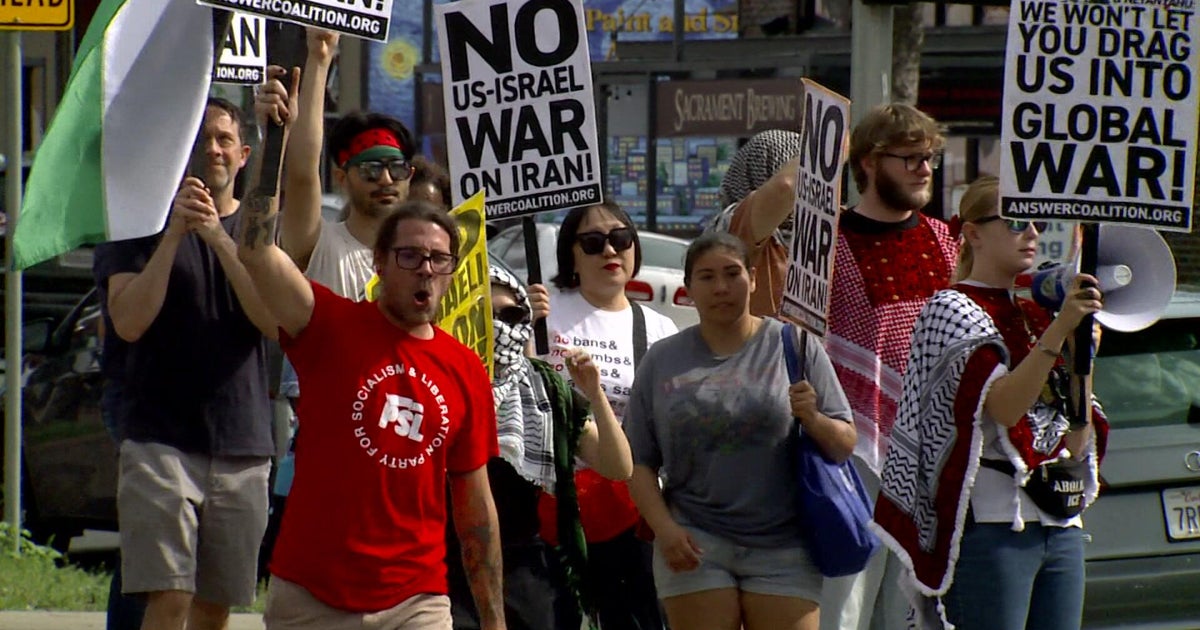
U.S. and Israeli strikes in Iran reportedly killed Iranian Supreme Leader Ayatollah Ali Khamenei and about 40 Iranian officials, triggering anti‑war demonstrations in Sacramento and celebratory crowds in Los Angeles. State lawmakers and experts criticized the strikes’ legality for lacking congressional authorization, while analysts warned of potentially far‑ranging economic and security effects across the region that could prompt risk‑off positioning among investors.
Market structure: Immediate winners are defense primes (Lockheed LMT, Raytheon RTX, Northrop NOC) and energy producers (XOM, CVX) from a risk-premium and potential supply disruption; losers include commercial airlines (AAL, UAL) and EM sovereign credit-sensitive sectors. Expect near-term sector dispersion: defense/energy could outperform broad US large-caps by +5–15% over 1–3 months while travel-related names underperform by -8–15% as risk-off flows bid safe havens. Cross-asset: anticipate USD strength (+0.5–1%), 10y Treasury yields to fall 10–30 bps, gold (GLD) up 3–8%, and oil (Brent/WTI) to move +5–15% on credible supply risk. Risk assessment: Tail scenarios include full regional escalation (low probability) driving oil >$120 (+>30%), global equity drawdown >15%, and credit shocks in EM; alternatively quick diplomatic de-escalation would reverse risk premia. Time horizons: immediate days = volatility spike; weeks/months = sector re-rating; quarters = fiscal policy and defense budgets feeding fundamentals. Hidden dependencies: shipping insurance premiums, chokepoint incidents, and US congressional actions can rapidly reroute flows; catalysts include retaliatory strikes, OPEC spare-capacity moves, and US domestic political constraints. Trade implications: Tactical plays favor long defense/energy and volatility hedges while shorting discretionary travel. Use pair trades to isolate idiosyncratic defense upside vs cyclical travel downside; implement option structures (short-dated VIX or VXX spreads and 3-month SPY puts) for asymmetric protection. Entry/exit: act within 0–14 days for volatility instruments, 1–3 months for equity positions, and reprice if oil crosses $85–90 or a confirmed diplomatic de-escalation occurs. Contrarian angles: Consensus may overprice sustained conflict—histor parallels (limited strikes in 2019–2020) saw short-lived commodity/defense rallies that faded in 6–12 weeks. Mispricings: defense multiples can be rich; consider fading initial rallies into strength if shipping/energy indicators normalize. Unintended consequences: prolonged higher oil could trigger demand destruction and recession risk, flipping winners to losers; watch real-economy indicators (container rates, marine insurance spikes) for regime change.
AI-powered research, real-time alerts, and portfolio analytics for institutional investors.
Request a DemoOverall Sentiment
moderately negative
Sentiment Score
-0.40
